
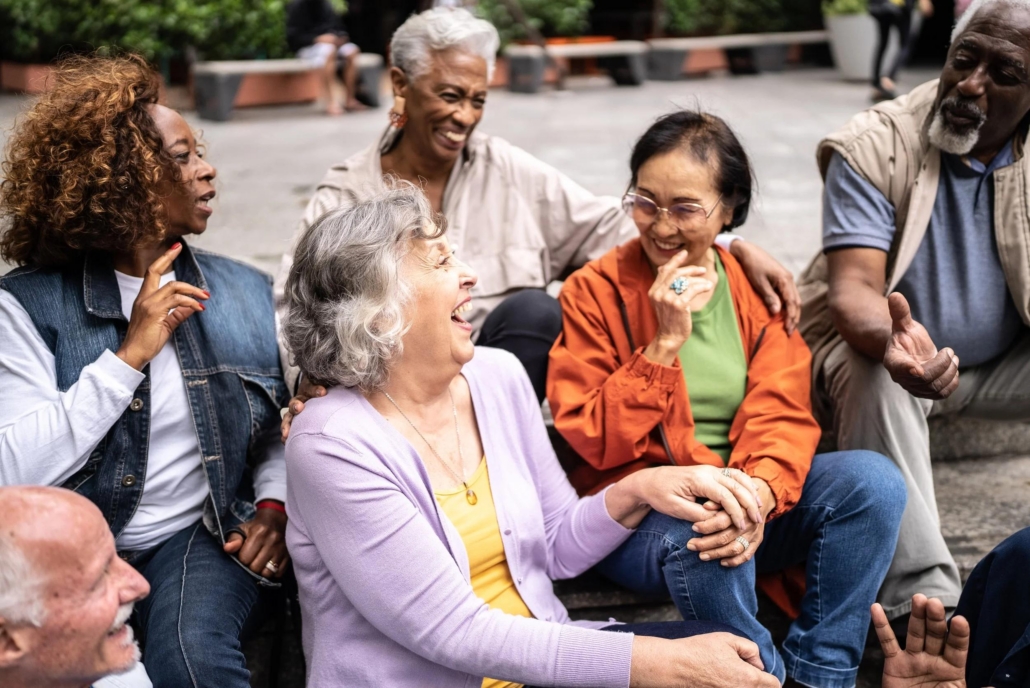
Celebrating Healthy Aging: How Communities Help Older Adults Thrive
Quick Answer
Healthy aging means finding ways to stay healthy, active, and connected as we get older. Good healthcare is part of it. So are healthy foods, time with family and friends, safe ways to get around, and doing things we enjoy. Strong communities can help older adults stay independent and live well.
- Healthy aging is about caring for your body and mind.
- Spending time with others can help us feel less alone.
- Having a safe way to get around can help older adults stay independent.
- Healthy food and staying active can help us feel our best.
- Doing things we enjoy can give us purpose.
- Strong communities can help older adults get the care and support they need.
Key Takeaways
Healthy aging is about more than going to the doctor.
The people around us and the places where we live can also help us stay healthy as we get older.
A strong community can help older adults get to doctor visits, find healthy food, stay active, and spend time with others. It can also help older adults keep doing the things they love.
Here are six ways communities can help older adults live well.
How Does Staying Connected Help With Healthy Aging?
Spending time with other people can help us feel happier and less alone. Friends, family, neighbors, and community groups can all help older adults stay connected.
Staying connected can sometimes get harder as we age. Friends or family may move away. A loved one may pass away. Health problems or not driving anymore can also make it harder to get out and see other people.
Communities can help by giving older adults more ways to connect with others. This can include:
- Visiting a senior center or library
- Joining a community or faith group
- Going to local events
- Sharing a meal with family or friends
- Talking or walking with a neighbor
- Joining a walking group
- Taking a class or trying a new activity
Small connections can make a big difference. Having regular chances to spend time with others can help older adults feel connected to the people and community around them.
The Centers for Disease Control and Prevention (CDC) says that staying connected to other people can help our health.
How Can Getting Around Help Older Adults Stay Independent?
Having a safe way to get around can help older adults stay independent. It can make it easier to:
- Get to doctor visits
- Shop for food
- Pick up medicine
- Visit family and friends
- Take part in community events and activities
Getting around can become harder when a person no longer drives. Without a ride, even simple tasks can be hard.
Communities may offer different ways to help older adults get around, such as:
- Public buses
- Local shuttles
- Volunteer drivers
- Rides through some healthcare programs
A safe ride does more than help someone get to the doctor. It can help older adults stay active, see other people, and keep doing the things they enjoy. Families can also use tools like Rides in Sight to look for transportation options in their area.
How Do Healthy Foods and Staying Active Help With Healthy Aging?
Eating healthy food and finding ways to stay active can help older adults feel their best. Communities can make both easier.
Meal programs, farmers markets, community gardens, parks, walking groups, and exercise classes are a few ways communities can help.
Staying active does not have to mean going to a gym or doing a hard workout.
It can be as simple as:
- Taking a walk
- Stretching
- Dancing
- Gardening
- Playing with grandchildren
- Taking a group exercise class
The goal is to find safe ways to keep moving.
Older adults should talk with their healthcare team about what is safe for them.
The National Institute on Aging also has tips to help older adults eat well, stay active, and care for their health.
Why Is It Important to Keep Doing Things You Enjoy?
Doing things we enjoy can give us something to look forward to. It can also help older adults feel connected and part of their community.
Older adults have years of skills, stories, and life lessons to share.
There are many ways to stay involved. An older adult might:
- Spend time with family
- Volunteer
- Help or teach someone
- Join a community or faith group
- Learn something new
- Garden
- Enjoy a favorite hobby
There is no one right choice.
What matters is finding things that bring joy and help each person feel connected.
The National Council on Aging also shares ideas that can help older adults stay connected as they age.
How Can Care That Works Together Help Older Adults?
Healthcare can be easier when doctors and other care team members work together. This can be very helpful for an older adult who has many health needs.
An older adult may see more than one doctor. They may take several medicines. They may also need help with things at home.
Keeping track of all this can be hard for the older adult and their family.
A care team can help.
Doctors, nurses, social workers, therapists, dietitians, and other team members can share information and work toward the same goals.
For some older adults, the Program of All-Inclusive Care for the Elderly (PACE) offers this kind of support.
PACE brings healthcare and other services together in one program. For people who qualify, PACE helps older adults who need a nursing home level of care keep living safely at home and in their community when possible.
How Can Communities Better Support Older Adults?
A good place to start is by listening. Older adults should have a say in choices about their health, care, home, and daily life.
Families, care teams, and community leaders can ask simple questions:
“What is important to you?”
“What would make your day easier?”
“What do you enjoy doing?”
“What do you want to keep doing?”
Then, listen to the answers.
We should not decide what an older adult needs without asking them.
Supporting older adults is not only about helping when something goes wrong. It is also about helping people keep doing the things they love and living life in the way they choose.
Expert Tip: Ask What Matters Most
Healthy aging looks different for everyone.
One person may want to keep making their own meals. Another may want to go to church each week. Someone else may want to garden, see their grandchildren, or keep living in their own home.
Instead of asking:
“What do you need help with?”
Try asking:
“What is most important to you right now?”
That one question can help families and care teams find the right ways to help.
Building Communities Where Older Adults Can Thrive
Strong communities can help older adults stay healthy, active, and connected.
They can make it easier to find rides, healthy food, healthcare, fun activities, and time with other people.
As we head into September, there is even more reason to talk about how we can help older adults live well.
September is Healthy Aging Month and National PACE Month. It is a time to celebrate older adults and learn more about the programs and services that can help people as they age. See resources on healthy aging.
Healthy aging is not something anyone has to do alone.
Family, friends, neighbors, healthcare teams, and community groups can all help. Sometimes, something as simple as friendship can make a meaningful difference. See how connection comes to life in our Power of Friendship story.
PACE is one way healthcare and other support can work together for older adults who have more health needs.
With the right support, older adults can keep doing more of what matters to them and living with independence, dignity, connection, and purpose.
Frequently Asked Questions
What is healthy aging?
Healthy aging means finding ways to care for your body and mind as you get older. Eating healthy food, staying active, seeing your doctor, spending time with others, and doing things you enjoy can all help.
Why is community important as we age?
A strong community can help older adults stay active, independent, and connected. It can also make it easier to find rides, healthy food, healthcare, and things to do with other people.
How can older adults stay connected?
There are many simple ways to stay connected. Older adults can spend time with family and friends, volunteer, join a group, take a class, go to local events, or enjoy a favorite activity with others.
How can older adults stay active?
Staying active can be as simple as walking, stretching, dancing, gardening, or joining an exercise class. The best choice is one that is safe and enjoyable. Older adults can ask their healthcare team which activities are right for them.
How can communities help older adults?
Communities can offer rides, healthy food, social events, safe places to stay active, and access to healthcare. They can also listen to older adults and make sure they have a voice in their community.
What is PACE?
PACE stands for the Program of All-Inclusive Care for the Elderly.
PACE is a Medicare and Medicaid program for older adults who meet certain health and other requirements. It brings healthcare and support services together in one program.
The goal is to help people who need a nursing home level of care keep living safely in their community when possible.
Learn More About Helping Older Adults Thrive
At WelbeHealth, we believe older adults should be able to live with dignity, independence, and purpose.
Through PACE, our care teams work together to support each person’s health and daily needs. Our goal is to help older adults keep living safely at home and in their communities.
Learn more about WelbeHealth and how we support older adults and their families.