Understanding Thyroid Health for Seniors
Our thyroid health is a pivotal factor in our overall well-being. By following these tips and maintaining regular communication with your doctor, you can support a healthy thyroid even as you age.

You may experience brain fog after quitting drinking. Learn more about what this means and what you can do by clicking here.
The holidays can bring both joy and loneliness for seniors. WelbeHealth offers tips to help cope with feelings of sadness, loss, and health issues during this special time.
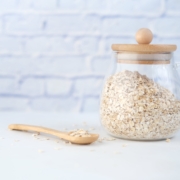
If you’ve heard about the overnight oats trend, you likely know how convenient it is for breakfast or a snack. But beyond the ease, numerous health benefits have made it a hit among many seniors.
There are variations to the recipe, including overnight oats with coconut milk. These alternatives are great for anyone who wants to avoid dairy. These are also easy to make but require a few tweaks to get it right.
This article covers some basic info on overnight oats with coconut milk and a step-by-step guide for making them.
Besides tasting great, overnight oats have a lot of health benefits. One of the main reasons people love this overnight oats recipe is convenience.
In terms of health benefits, oats have tons of beta-glucan, a soluble fiber. This can help lower blood cholesterol, blood pressure, and aid in digestion.
It is also chock full of antioxidants. These can stave off tissue damage and arterial inflammation, which are linked to heart disease and stroke.
Coconut milk is a great, dairy-free alternative to regular milk. It, too, is full of antioxidants and electrolytes, as well as protein, iron, and other important minerals.
Coconut milk also contains lauric acid, which has antiseptic properties. This can aid in fighting off bacterial, viral, and fungal infections. Coconut milk also aids in digestion and has some anti-inflammatory properties.
First, the only overnight oats ingredients you will need are rolled oats and coconut milk. However, there are some other ingredients you may consider throwing in for added taste or health benefits. These include:
When purchasing, be sure to check the fat content of the coconut milk. Full-fat coconut milk (or coconut cream) tastes great, but it is less healthy and will make the overnight oats’ consistency too thick.
In terms of oats, choose brands that have a reputation for using high-quality ingredients. They will taste better and retain more health benefits than lower-quality ones. You can also find gluten-free options.
To make a single serving of overnight oats with coconut milk, first add one-third cup of oats to an 8 or 12-ounce jar. Then, top with one-half cup of light coconut milk.
At this point, you can add in any extra ingredients, like honey, salt, or chia seeds. Gently stir to mix, close the lid, and place in the refrigerator for at least 12 hours.
Overnight oats are great chilled, right out of the refrigerator. If you prefer them warm, pop them in the microwave. Also, if you do not eat them the next morning, they will keep for about three days.
Now that you understand the key steps to making overnight oats with coconut milk, you can add this delicious, healthy recipe to your menu. It is a great way to improve gut health and digestion and start your day with antioxidants, electrolytes, vitamins, and minerals.
At WelbeHealth, we do well-being differently. Contact us today to learn more. This blog is for informational purposes only and is not intended as professional advice. Always consult a qualified healthcare provider or specialist for specific questions or concerns regarding caregiving or medical issues.
WelbeHealth provides full-service healthcare and personalized support to help your loved ones age well at home and in your community. Our Program of All-Inclusive Care for the Elderly (PACE) meets the changing needs of seniors, often at no cost, while helping you navigate life as a caregiver. To see if you qualify, call: (888) 750-0248 | TTY 711 or visit: welbehealth.com/contact
There are several reasons why you may need a wheelchair, but how much does a wheelchair cost? These are the prices you can expect.
When it comes to purchasing a wheelchair, one of the first questions that may come to mind is, “How much does a wheelchair cost?” The price of a wheelchair can vary greatly, depending on several factors.
Buying a wheelchair can get expensive, but don’t worry. There’s a way to get a reduced price on it, which we’ll discuss later. With that said, let’s take a look at the average wheelchair costs and how you can potentially save money.
The cost of a manual wheelchair typically falls in the range of $100 to $500. These wheelchairs are often made of lightweight materials, like aluminum. They’re designed for individuals who have limited mobility but don’t require additional features.
Manual wheelchairs can be self-propelled or pushed by a caregiver. They typically have basic features, like adjustable footrests and armrests.
For those who require more advanced features, the cost of a manual wheelchair can increase significantly. Wheelchairs with specialized seats or custom modifications range from $1,000 to $5,000 or more.
These wheelchairs are often recommended for individuals with specific medical conditions or mobility needs. They may include features like tilt-in-space recline, power-assisted wheels, or specialized cushioning for pressure relief.
Electric wheelchairs, also known as power wheelchairs, are another option. They’re powered by batteries and maneuver using a joystick or other control system. The cost of an electric wheelchair varies depending on weight capacity, range, and additional features.
Basic electric wheelchairs start at around $1,500. However, the price can go up to $5,000 or more for higher-end models.
It’s important to note that these prices are just averages and can differ based on where the wheelchair is purchased. Prices may also be influenced by insurance coverage or discounts offered by certain providers.
Furthermore, extra costs may be required when buying a wheelchair. If ramps or lifts are needed, that’s usually a separate charge.
When considering the cost of a wheelchair, always factor in the ongoing maintenance and repair costs. Like any piece of durable medical equipment, wheelchairs require periodic maintenance or repairs.
It’s recommended to inquire about warranty options or service plans. These options will help to mitigate these potential costs.
Although wheelchairs are pricey, Medicare Part B may cover them as durable medical equipment. This means that seniors can save a significant amount of money.
Even without Medicare, most durable medical equipment companies offer payment plans to customers.
How much does a wheelchair cost? We hope this article answers that burning question for you. As you can see, there are a lot of factors that go into the overall price of a wheelchair. Thankfully, Medicare may help with the financial load.
If you or your loved one needs assistance, we’re here for you. At WelbeHealth, our goal is to help the elderly thrive. We provide full-service care for seniors through in-home care, prescription delivery, and more.
WelbeHealth provides full-service healthcare and personalized support to help you age well at home and in your community. Our Program of All-Inclusive Care for the Elderly (PACE) meets the changing needs of seniors, often at no cost. To see if you qualify, call: (888) 750-0248 | TTY 711 or visit: welbehealth.com/contact
1 in 10 Americans are dealing with diabetes. On top of that, 20 percent of people with diabetes have no idea they have it. Uncontrolled diabetes does a number on many parts of your body, especially your endocrine system.
How does diabetes affect the endocrine system? We have all of the answers for you right here. Read on to learn all about living with diabetes.
The endocrine system is made up of a number of different organs and glands, all of which are meant to promote energy metabolism. The most prominent organ in the endocrine system is the pancreas, which regulates your blood glucose levels. It also includes the ovaries and testes.
Endocrine system glands include the adrenal, pineal, pituitary, and thyroid gland. The adrenal gland boosts your blood glucose levels and causes your heart to beat faster, while the thyroid gland regulates your metabolism. Finally, the pituitary gland is in charge of growth and the pineal gland regulates your sleep.
Think of your endocrine system like an engine. The food you eat fuels that engine, which in turn has an impact on your blood glucose levels. Ideally, you want a steady level of blood glucose to keep your body running.
When you have diabetes, your body has a harder time regulating your blood glucose levels. They can either go far too high or far too low. What happens to your blood glucose depends on the type of diabetes with which you’re diagnosed.
People who have type 1 diabetes are unable to produce enough insulin to properly respond to the intake of food. This causes blood glucose levels to spike. People diagnosed with type 1 diabetes have to inject insulin in order to properly regulate their blood glucose.
People who have type 2 diabetes produce sufficient insulin, but their body doesn’t respond to it. This also results in high blood glucose levels. Type 2 diabetes treatment includes medication that increases your body’s sensitivity to insulin and keeps blood glucose levels balanced.
The impact of diabetes extends far beyond your endocrine system. If you have it, you should be seeing a doctor regularly to make sure it’s well controlled. You’ll also want to get eye exams and visit the podiatrist to avoid things like diabetic retinopathy and diabetic neuropathy.
The better you control your diabetes, the better the likelihood of positive health outcomes!
How does diabetes affect the endocrine system?
As it turns out, the answer depends on whether you have type 1 or type 2 diabetes. At a minimum, your body isn’t producing enough insulin or it isn’t responding to insulin. No matter what type of diabetes you have, it’s critical that you see your doctor regularly to make sure it’s properly managed.
Are you looking for compassionate care for seniors living with diabetes? WelbeHealth is there for you. Contact us today to learn how we provide seniors with full-service healthcare and personalized support to help you age well at home and in your community.
WelbeHealth provides full-service healthcare and personalized support to help your loved ones age well at home and in your community. Our Program of All-Inclusive Care for the Elderly (PACE) meets the changing needs of seniors, often at no cost, while helping you navigate life as a caregiver. To see if you qualify, call: (888) 750-0248 | TTY 711 or visit: welbehealth.com/contact
13.9% of Americans have some kind of dementia. Art and crafts are a great way to entertain and help dementia patients pass the time. They create new neural connections.
Engaging in creative activities can have a positive impact. Both on the mental and emotional well-being of seniors. This is especially true for folks with dementia.
Crafts provide a stimulating and enjoyable way for seniors to express themselves. They can reminisce and maintain a sense of purpose.
Here are five rewarding and easy crafts for seniors with dementia.
Memory boxes are a wonderful way for seniors with dementia to connect with their past.
To create a memory box, gather a small, sturdy box. Collect various items, such as:
Encourage your loved one to decorate the box. Use paint, stickers, or markers.
As you work on the memory box together, prompt them with questions about the items they’re including. Encourage them to share stories and memories associated with each item.
The completed memory box becomes a valuable keepsake. It can be revisited and enjoyed repeatedly.
All you need are old magazines, scissors, glue, and a piece of paper or cardboard as the canvas.
Request your loved one to cut out images and words from magazines. These images should appeal to them or bring back memories.
As you create collages, discuss the pictures and words they choose. Ask open-ended questions to spark conversations.
The process of creating collages allows for self-expression.
Painted rocks are a simple and enjoyable craft. It can be done indoors or outdoors.
Collect smooth and flat rocks.
Provide non-toxic acrylic paint, brushes, and water. Ask your loved one to paint the rocks however they prefer.
Painted rocks can serve as garden decorations or paperweights. The act of painting the rocks promotes creativity and focus. It also offers a sense of achievement.
It’s a craft that can be done at a relaxed pace. This allows for breaks and conversations as needed.
This craft enhances fine motor skills and provides a sense of accomplishment. You can create necklaces, bracelets, or even keychains.
To get started, gather an assortment of items, like:
Guide your loved one through the process. Help them select beads. Offering assistance with threading and fastening clasps if needed.
Bead jewelry provides a tactile and visually stimulating activity. The finished pieces can be proudly worn or gifted to loved ones.
You’ll need colored paper, scissors, glue, and green pipe cleaners.
Ask your loved one to cut out petal shapes from colored paper. Attach them to the pipe cleaner stem with glue.
These paper flowers are simple to create. They can be arranged in vases or used for various decorative purposes.
Living with dementia isn’t easy either for the patient or their relatives. That’s why easy crafts for seniors with dementia can be such a boon. They can entertain and help build a connection.
Check out WelbeHealths Program of All-Inclusive Care for the Elderly (PACE). It’s a full-service option for seniors. It allows them to stay at home and in their community. To learn more, call: (888) 750-0248 | TTY 711 or visit: welbehealth
Are you experiencing a loss of interest in activities you used to enjoy? Do you have feelings of sadness and hopelessness or difficulty sleeping? If so, you may be struggling with depression.
As we get older, life can become more lonely and it may leave you feeling lost.
Living with this disorder can be challenging, especially if you don’t know how to ask for help with depression. You might feel it’s not worth reaching out to someone.
If this describes you in any way, keep reading. This article discusses depression, the symptoms, and how to ask for help so you don’t have to feel this way any longer.
Depression, also called depressive disorder, is a mental disorder. It’s common and is characterized by an all-encompassing sadness or negative view of life. Depression affects how you think and act, leading to various emotional and physical problems that interfere with daily functioning.
Depression can occur at any age; however, it begins more commonly as an adult. There are several types of depression, such as:
Depression can present differently from person to person. Typically, symptoms include:
Depression as a senior is manageable if you seek treatment. A medical professional will typically prescribe an antidepressant and possibly a mood stabilizer. If you’re unsure of how to ask for help with depression, there are a few things you can try.
Identify a trusted person with whom you can confide in. This can be a family member, friend, pastor, etc.
When you sit down and chat with a trusted person, you must be open and honest about your feelings. Ask them if they’re willing to help you through this difficult time.
If you need help seeking professional help, ask someone you trust to help find a professional or accompany you to one. A professional will have the necessary experience to help.
Living with depression can be challenging as a senior, but it’s not something you have to battle alone. If you’re unsure how to ask for help with depression, ask someone you trust if they’re willing to listen.
You want to choose the right time to ask, and when they accept, be honest with how you feel. Professional help is strongly recommended wherever possible to assist with medications if necessary.
WelbeHealth provides full-service healthcare and personalized support to help you age well at home and in your community. Our Program of All-Inclusive Care for the Elderly (PACE) meets the changing needs of seniors, often at no cost. Many of our centers have support groups available to help you through your difficult times. To learn more visit: www.welbehealth.com/contact/
As the summer heat approaches, everyone loves to head outside and enjoy the outdoors after months of being cooped up indoors. However, the sun’s harmful ultraviolet rays can cause serious skin damage and lead to different types of skin cancer. For seniors, sun safety is essential to avoid skin damage and protect themselves from excessive heat. Let’s discuss some important tips and tricks on how seniors can stay safe in the sun.
Sun safety is essential for seniors, and following these tips can help keep them safe and protected when enjoying the outdoors. Wearing sun-protective clothing, applying sunscreen, avoiding peak sun hours, staying hydrated, and seeking shade are all simple and easy ways to avoid harmful UV rays. Being proactive about sun safety can help seniors reduce their risk of skin damage and keep them healthy and happy all summer long.
Seniors deserve to have access to the greatest care possible. Learn more about PACE so you can improve the quality of your life.
In the famous words of Isaac Newton, “A body in motion stays in motion.” As you age, it’s important to stay active to maintain your body’s ability to perform various activities throughout the day.
Did you know this principle also applies to your mind? There are many things you can do to support your mental health as you age.
In honor of Mental Health Awareness Month, we’ve put together five of the best ways to care for senior mental health.
A healthy diet can help boost your mood and keep your body and mind feeling well. After all, around 20% of your daily calories go toward powering your brain, so it only makes sense that how you eat would impact your mental health!
Incorporate as many of the following into your daily diet as you can:
Also, do your best to limit saturated fats and processed sugars.
Maintaining a consistent sleep schedule is one of the best ways to preserve your mental health as you age. Despite popular belief, even seniors need around eight hours of sleep every night!
To help you get restful sleep and cut the number of times you wake up throughout the evening, practice good sleep hygiene habits. Reduce as much noise and light in your sleeping space as you can, invest in a high-quality mattress and pillow, and put screens away before you get ready for bed.
Our relationships are at the core of our well-being. Having strong relationships can help you feel happier and even slow the progression of dementia and cardiovascular diseases.
Talking with close friends and family throughout the day can help you feel a sense of purpose and fill your days. If you can, set up in-person visits with your loved ones, as you’ll get a greater sense of connection than from texting or a phone call.
Efforts to maintain your mental health can be greatly boosted by matching efforts to maintain your physical health. While you don’t have to push yourself to discomfort or pain, even moderate movement throughout the day can have lasting benefits for your mind, including stress relief and increased levels of energy throughout the day.
If you’re the kind of person who benefits from exercising in community, you have many options available to you. See if there’s a gym in your neighborhood that holds gentle yoga, stretching, or other classes accessible for seniors. If not, try your local library, or gather a group of friends yourself!
Finally, exercising your mind is just as important as exercising your body. Even a few minutes of brain teasers and word puzzles every day can go a long way toward maintaining the long-term health of your mind. Next time you hit a patch of boredom, consider picking up one of the following activities:
By eating well, getting enough sleep, maintaining relationships, and prioritizing movement throughout the day, senior mental health can be preserved for years to come. Go grab a friend, a crossword puzzle, and your walking shoes, and get started today!
Here at WelbeHealth, our goal is to help seniors thrive. We do this by prioritizing human connections, pursuing resourceful solutions, and working toward a common purpose. Together, we want to help you gain access to live the life you deserve.
Want to find out if you qualify? Contact us today!