
Top 5 Occupational Therapy Exercises to Improve Mobility and Reduce Pain

Staying active as we get older can sometimes feel like a challenge, especially when joint stiffness or muscle pain gets in the way. But the good news is there are simple exercises that can help! Occupational therapy (OT) exercises are great for keeping your body moving and helping reduce pain.

Here are five easy exercises you can do at home to feel better and stay mobile.

1. Ankle Circles

Keep your ankles moving to help walking feel easier.

  • How to Do It: Sit in a chair with your feet flat. Lift one foot a little off the ground and slowly make a big circle with your ankle. Go one way, then reverse!
  • Why It Helps: This exercise improves flexibility in your ankles and helps with balance.

Do 10 circles in each direction on both ankles.

2. Finger Lifts

Improve hand strength and ease arthritis pain.

  • How to Do It: Place your hand flat on a table, palm facing down. One by one, lift each finger off the table and then lower it.
  • Why It Helps: It keeps your fingers strong and flexible, making gripping items easier.

Repeat 8–10 times for each hand.

3. Marching in Place

Boost your leg strength and endurance.

  • How to Do It: Stand near a sturdy surface, like a counter, for support if needed. Slowly march in place, lifting one knee, then the other.
  • Why It Helps: It strengthens your leg muscles and improves your balance for walking.

Try marching for 1–2 minutes or longer if you can!

4. Overhead Arm Reaches

Stretch your shoulders and improve your range of motion.

  • How to Do It: Sit or stand and raise both arms above your head. Reach toward the ceiling and hold for a few seconds, then bring your arms back down.
  • Why It Helps: It stretches your shoulders, makes it easier to reach high places, and keeps your arms limber.

Do 10 gentle stretches.

5. Seated Torso Twist

Eases lower back aches and keeps your body flexible.

  • How to Do It: Sit tall in a chair. Slowly twist your upper body to one side, placing your hand on the armrest or your thigh for support. Hold for a few seconds, then twist to the other side.
  • Why It Helps: It reduces stiffness in your lower back and helps with turning movements.

Do 5 twists on each side.

Final Tips

These exercises are designed to be gentle and safe, but always listen to your body. Stop if something feels uncomfortable, and talk to a therapist or doctor if you’re not sure.

By practicing these exercises daily, you can stay active, reduce pain, and enjoy more independence. Remember, a little movement goes a long way!

This blog is for informational purposes only and is not intended as professional advice. Always consult a qualified healthcare provider or specialist for specific questions or concerns.

It’s your life. Live it your way.

WelbeHealth provides full-service healthcare and personalized support to help your loved ones age well at home and in your community. Our Program of All-Inclusive Care for the Elderly (PACE) meets the changing needs of seniors, often at no cost, while helping you navigate life as a caregiver. To see if you qualify, call: (888) 750-0248 | TTY 711 or visit: welbehealth.com/contact

The Importance of Hand Therapy for Seniors with Dexterity Issues

Hands are amazing tools that allow us to do everything from tying our shoes to enjoying a good book. But as we get older, our hands can lose some of their strength and flexibility. This can make everyday tasks like writing, buttoning a shirt, or even cooking a meal more difficult. That’s where hand therapy comes in!

Hand therapy is a special part of occupational therapy (OT) that focuses on helping seniors keep their hands strong and useful for all the things they love and need to do. Here’s why it’s so important and how it can make a big difference.

Why Do Seniors Need Hand Therapy?

Over time, health issues like arthritis, carpal tunnel syndrome, or even strokes can affect how well our hands work. These conditions may cause stiffness, pain, or weakness in our fingers and wrists. When that happens, it becomes harder to hold a pen, open a jar, or fasten a button.

Hand therapy helps by improving strength, movement, and coordination in your hands. It doesn’t just solve problems but also helps prevent them, so your hands stay healthy as you age.

How Hand Therapy Helps

Hand therapy uses simple exercises and tools to work on fine motor skills, which are the small, precise movements of your fingers and hands. Here’s how it helps seniors:

  • Regain Strength: Therapists guide you through exercises to rebuild muscles in your hands and fingers. stronger muscles mean it’s easier to grip and hold things.
  • Improve Flexibility: Gentle stretches keep your fingers and wrists flexible, so they’re less stiff.
  • Increase Coordination: Practice makes perfect! Therapy can help you regain control over small movements, like threading a needle or picking up a coin.
  • Adapt to Challenges: Therapists can suggest special tools, like thicker pens or button hooks, to make daily tasks easier.

Everyday Tasks Hand Therapy Can Help With

One of the best parts of hand therapy is how it can directly make life at home simpler. Here are some examples of what it can help with:

  • Writing: Holding a pen or pencil comfortably and writing clearly.
  • Buttoning Shirts: Using adaptive tools or better finger movement to make dressing stress-free.
  • Cooking: Safely chopping vegetables or holding utensils while preparing meals.
  • Opening Jars or Bottles: Gaining strength to twist lids without pain or strain.
  • Typing or Using Phones: Everyday devices can feel easier to manage with better hand coordination.

Staying Independent with Hand Therapy

Keeping your hands strong and skillful means staying independent longer. Whether it’s threading a needle or simply holding a loved one’s hand, hand therapy gives you the tools to feel confident in your everyday life.

If you or your loved one struggles with hand dexterity, occupational therapy can help! A trained therapist can create a personal plan that meets your unique needs.

Remember, it’s never too late to take care of your hands. With a little practice and the right guidance, you can keep doing the things you love.

It’s your life. Live it your way.

WelbeHealth provides full-service healthcare and personalized support to help your loved ones age well at home and in your community. Our Program of All-Inclusive Care for the Elderly (PACE) meets the changing needs of seniors, often at no cost, while helping you navigate life as a caregiver. To see if you qualify, call: (888) 750-0248 | TTY 711 or visit: welbehealth.com/contact

Celebrating Occupational Therapy Month: Helping Seniors Stay Safe, Strong, and Independent

April is Occupational Therapy Awareness Month! It’s a special time to honor the amazing work of Occupational Therapists (OTs)—especially those who care for older adults through PACE (Program of All-Inclusive Care for the Elderly).

At WelbeHealth, OTs are a big part of helping seniors live safely at home, stay active, and feel their best. Here’s how they make a difference—and a few tips they recommend for living well every day.


What is Occupational Therapy?

Occupational therapy helps people do the things they need and love to do—like getting dressed, cooking, or even gardening.

OTs work with people of all ages, but they’re especially helpful for older adults. They use simple tools, helpful strategies, and safe exercises to make everyday life easier and safer.


How OTs Help in PACE

PACE is a special care program that helps seniors improve their health and social well-being and to live at home longer. OTs are a key part of the PACE team. Here’s what they do:

  • Prevent Falls: OTs check your home for safety and may suggest things like grab bars or better lighting.
  • Support Daily Tasks: From brushing your teeth to making dinner, OTs show ways to do tasks more easily.
  • Boost Brain Health: For those with memory loss, OTs offer tips and activities to stay sharp.
  • Improve Mood: OTs help seniors stay active and connected, which can ease sadness or loneliness.

Top 10 OT Tips for Living Well

Want to stay healthy and independent? Here are 10 simple OT tips anyone can try:

  1. Make Your Home Easy to Use
    Keep important items close by to avoid reaching or bending too much.
  2. Try Helpful Tools
    Use items like grabbers or button hooks to make daily tasks easier.
  3. Sit and Stand Safely
    Use a sturdy chair with good back support. Make sure tables and counters are the right height.
  4. Stay Active in Life
    Enjoy hobbies, volunteer, or try a new craft. These boost your mood and mind.
  5. Take Breaks Often
    Move around every 30 minutes to avoid stiffness.
  6. Move Your Body
    Gentle exercise like walking, stretching, or balance moves helps prevent falls.
  7. Use Memory Tools
    Sticky notes, calendars, or phone reminders can help keep you on track.
  8. Connect with Others
    Spend time with family and friends. Social time is good for the heart and mind.
  9. Get Good Sleep
    Aim for 7–9 hours of rest each night to feel your best.
  10. Ask for Help
    If something feels hard or unsafe, don’t push through. Talk to your care team or OT for support.

Want to Learn More?

If you or a loved one is part of WelbeHealth’s PACE program, your care team can connect you with an OT. These experts can create a plan just for you—helping you stay strong, safe, and doing the things you enjoy most.

Authored by: Himanshu Dewan | Rehabilitation Manager, Modesto

The Best Hobbies for Seniors to Stay Engaged and Happy

Staying active and engaged is important at any stage of life, but it becomes even more valuable as you get older. Hobbies can bring joy, keep your mind sharp, and connect you with others. Best of all, they’re fun! Here are some of the best hobbies for seniors that are easy to start and bring lasting benefits.

Gardening

Gardening is not only relaxing but also great for your physical and mental health.

  • Plant flowers, shrubs, or vegetables in your yard or in pots.
  • Watering and pruning plants can help with gentle exercise.
  • Enjoy the calming effect of spending time outdoors and in nature.

Caring for plants can lower stress and give you a sense of accomplishment when you see your garden thrive.

Creative Arts

Expressing yourself creatively is a wonderful way to stay engaged.

  • Try painting, drawing, or coloring.
  • Work on crafts like knitting, crocheting, or sewing.
  • Make handmade cards or decorations for your loved ones.

These activities help improve focus and bring your imagination to life.

Playing Music

Music is a lifelong passion that anyone can enjoy.

  • Learn to play an instrument like the piano or ukulele.
  • Join a community or church choir for singing.
  • Simply listen to your favorite tunes and explore new genres.

Music lifts your spirits and can even improve your memory over time.

Reading and Writing

Reading and writing allow you to learn, create, and share ideas.

  • Get lost in novels, magazines, or audiobooks.
  • Keep a daily journal to reflect on your thoughts and experiences.
  • Write short stories, poems, or even your memoir to share with family.

These hobbies keep your mind active and stimulate your imagination.

Cooking and Baking

Cooking doesn’t just feed the stomach; it nourishes the soul as well.

  • Try out new recipes or recreate family favorites.
  • Bake treats like cookies or muffins to share with loved ones.
  • Explore healthy meals to maintain your wellbeing.

Cooking is a creative activity that combines fun, learning, and practicality.

Exploring Technology

Technology can open new doors and keep you connected.

  • Learn how to use video calls to keep in touch with family and friends.
  • Explore online classes for learning at your own pace.
  • Play games, solve puzzles, or join virtual book clubs online.

With so many options, technology can be a tool to enrich your life and stay engaged.

Volunteering

Helping others is one of the most fulfilling hobbies you can have.

  • Volunteer at a local library, animal shelter, or community center.
  • Share your skills by mentoring younger generations.
  • Join local charity events or fundraisers.

Volunteering builds connections and gives you a sense of purpose.

Social Hobbies

Staying social is essential for happiness and health.

  • Join a group that shares your interests, like a walking or quilting club.
  • Host game nights with family and friends.
  • Attend workshops or activities at your community center.

These social activities bring laughter, friendship, and new memories to cherish.

Staying Engaged Brings Happiness

Hobbies are more than just ways to pass the time. They help you stay active, feel accomplished, and connect with the world around you. Whether you’re planting flowers or learning a new skill, find the activities that bring you joy and make them a regular part of your life.

It’s your life. Live it your way.

WelbeHealth provides full-service healthcare and personalized support to help your loved ones age well at home and in your community. Our Program of All-Inclusive Care for the Elderly (PACE) meets the changing needs of seniors, often at no cost, while helping you navigate life as a caregiver. To see if you qualify, call: (888) 750-0248 | TTY 711 or visit: welbehealth.com/contact

Easy Fiber Recipes for Seniors

Getting enough fiber in your diet is important, especially for seniors. Fiber helps with digestion, keeps your heart healthy, and makes you feel full longer. Luckily, adding fiber to your meals can be both simple and delicious! Here are some easy recipes that are packed with fiber and perfect for seniors.

Breakfast: Berry Oatmeal

Start your day with this comforting and fiber-rich oatmeal bowl.

Ingredients

  • 1 cup of rolled oats
  • 2 cups of low-fat milk or water
  • 1/2 cup of mixed berries (blueberries, raspberries, or strawberries)
  • 1 tablespoon of chia seeds
  • 1 teaspoon of honey (optional)

Instructions

  1. Cook the oats in milk or water according to the package instructions.
  2. Stir in the chia seeds and allow them to sit for 2-3 minutes.
  3. Top with fresh berries and drizzle with honey if desired.

This meal is high in fiber and antioxidants, making it a great way to kickstart your day!

Snack: Crunchy Veggie Dip

Snacking on veggies is an easy way to boost your fiber intake. Pair them with this simple dip for added flavor.

Ingredients

  • A mix of carrot sticks, celery, and cucumber slices
  • 1 cup of plain Greek yogurt
  • 1 teaspoon of garlic powder
  • 1 teaspoon of dried dill
  • A pinch of salt and pepper

Instructions

  1. Mix the Greek yogurt, garlic powder, dill, salt, and pepper in a small bowl.
  2. Use the dip with your fresh veggies for a crunchy, satisfying snack.

This snack is loaded with fiber, protein, and healthy nutrients.

Lunch: Lentil Salad

This hearty salad is quick to prepare and full of fiber and protein to keep you energized.

Ingredients

  • 1 cup of cooked lentils
  • 1 cup of chopped spinach
  • 1/2 cup of cherry tomatoes, halved
  • 1/2 cup of diced cucumber
  • 2 tablespoons of olive oil
  • 1 tablespoon of lemon juice
  • A pinch of salt and pepper

Instructions

  1. Combine the lentils, spinach, tomatoes, and cucumber in a large bowl.
  2. Drizzle with olive oil and lemon juice, then season with salt and pepper.
  3. Toss everything together and serve.

Lentils are a top source of fiber, and the fresh veggies make this salad refreshing and tasty.

Dinner: Baked Sweet Potatoes

This easy-to-make dinner is both comforting and nutritious.

Ingredients

  • 2 large sweet potatoes
  • 1 cup of black beans, drained and rinsed
  • 1/2 cup of salsa
  • 1/4 cup of shredded cheese
  • 2 tablespoons of Greek yogurt or sour cream

Instructions

  1. Preheat your oven to 400°F (200°C).
  2. Wash the sweet potatoes and pierce them with a fork a few times.
  3. Bake the sweet potatoes for 45-50 minutes, or until soft.
  4. Slice them open and fill with black beans, salsa, and shredded cheese.
  5. Top with Greek yogurt or sour cream before serving.

Sweet potatoes are naturally high in fiber, and the black beans add even more, making this a satisfying evening meal.

Simple Tips for Adding More Fiber

  • Add beans and lentils to soups and stews.
  • Sprinkle chia seeds or flaxseeds on cereals, yogurt, and salads.
  • Swap white bread for whole grain options in sandwiches.
  • Snack on fresh fruits like apples, pears, or berries.

These recipes and tips show that eating more fiber can be easy and delicious. With meals like these, you can enjoy the benefits of fiber while savoring every bite!

It’s your life. Live it your way.

WelbeHealth provides full-service healthcare and personalized support to help your loved ones age well at home and in your community. Our Program of All-Inclusive Care for the Elderly (PACE) meets the changing needs of seniors, often at no cost, while helping you navigate life as a caregiver. To see if you qualify, call: (888) 750-0248 | TTY 711 or visit: welbehealth.com/contact

How to Boost Your Memory and Keep Your Brain Sharp

Keeping your memory strong is important, especially as you age. It’s natural to experience some changes in thinking or memory, but there are plenty of simple ways to keep your brain healthy and sharp. Small daily habits and activities can make a big difference over time.

Stay Physically Active

Exercise isn’t just good for your body; it’s also great for your brain. Regular physical activity increases blood flow to your brain, which helps it stay strong.

  • Take a daily walk around your neighborhood or local park.
  • Try gentle exercises like yoga or tai chi to improve balance and focus.
  • If possible, add strength or light resistance training to your weekly schedule.

Staying active doesn’t have to mean intense workouts. Even short bursts of movement help support brain health.

Eat Brain-Boosting Foods

What you eat can impact how your brain works. Nutritious foods provide the fuel your brain needs to function well.

  • Add more leafy greens like spinach or kale to your meals.
  • Snack on nuts and seeds, which are full of healthy fats.
  • Include fatty fish like salmon, which provides omega-3s that support brain function.
  • Choose whole grains like oatmeal or quinoa for sustained mental energy.

A balanced diet filled with colorful fruits and vegetables is key to protecting your memory.

Keep Your Mind Active

Just like your body, your brain needs regular exercise to stay sharp. Challenge your mind with activities that make you think and keep your curiosity alive.

  • Work on puzzles like crosswords or Sudoku.
  • Learn something new, like a musical instrument or language.
  • Read books or listen to audiobooks on topics that interest you.
  • Play card games or board games that require strategy.

Mental activity helps your brain build new connections and stay active.

Stay Social

Staying connected to others offers more than emotional support; it also benefits your brain. Socializing helps you practice skills like listening and communication, which engage your brain in different ways.

  • Join a local club or senior group to meet people with similar interests.
  • Schedule regular phone or video calls with family and friends.
  • Attend community events or volunteer opportunities.

Sharing time with others brings joy while keeping your mind engaged.

Get Quality Sleep

Sleep is essential for your memory. While you rest, your brain processes and stores the information you’ve learned during the day.

  • Aim for 7-9 hours of sleep each night.
  • Keep a consistent bedtime routine to help your body relax.
  • Avoid caffeine or electronics right before bed.

Restful sleep is one of the most important ways to protect your memory and brain health.

Simple Tips for Everyday Memory Boosts

  • Write down to-do lists to stay organized.
  • Set reminders to help you stick to your schedule.
  • Keep your mind calm by practicing deep breathing or meditation.
  • Challenge yourself to memorize short poems or fun facts.

Memory health isn’t about perfection; it’s about staying ahead. By nurturing your mind and body, you can enjoy greater mental clarity and confidence.

It’s your life. Live it your way.

WelbeHealth provides full-service healthcare and personalized support to help your loved ones age well at home and in your community. Our Program of All-Inclusive Care for the Elderly (PACE) meets the changing needs of seniors, often at no cost, while helping you navigate life as a caregiver. To see if you qualify, call: (888) 750-0248 | TTY 711 or visit: welbehealth.com/contact

How to Read Nutrition Labels Like a Pro

The food you eat plays a big role in your health. But how do you know if what you’re picking up at the store is good for you? Nutrition labels hold the answers! Learning to read them can help you make smarter choices and stay healthy. It’s simpler than you think.

What is a Nutrition Label?

A nutrition label is a small chart on food packages. It tells you what’s inside the food you’re eating, such as calories, vitamins, and fats. These labels are especially helpful if you’re trying to eat better or manage a condition like diabetes or high blood pressure.

Steps to Read Nutrition Labels

Here’s a step-by-step guide to reading those labels with ease:

1. Start with the Serving Size

  • The first thing on the label is the serving size.
  • This tells you how much of the food all the numbers on the label refer to.
  • Example: If a serving is 1 cup, but you eat 2 cups, you will need to double the numbers.

2. Check the Calories

  • Calories show how much energy the food gives you.
  • For an average adult, you need about 2,000 calories per day, but that depends on your activity level and health.

3. Look at Fats, Sodium, and Sugar

  • Fats: Look for foods low in saturated and trans fats. These can harm your heart.
  • Sodium: Aim for lower sodium levels to help control your blood pressure.
  • Sugar: Pick foods with less added sugars to avoid unwanted weight gain and other health issues.

4. Find the Nutrients You Need

  • Fiber: A great friend for digestion. Look for foods with at least 3 grams of fiber.
  • Protein: Helps keep your muscles strong. Look for foods with 5 or more grams of protein.
  • Vitamins and Minerals: Calcium, Vitamin D, and iron are especially important for seniors.

5. Check the Daily Values (%DV)

  • Percent Daily Value shows how much one serving of food contributes to your daily diet.
  • Look for foods that provide 20% or more of good nutrients, like fiber or calcium.
  • For sodium or saturated fats, aim for 5% or less.

Tips for Smarter Shopping

  • Compare items. Check the labels of two similar products, like soups or cereals, to pick the healthier option.
  • Don’t be fooled by the front of the box. Words like “all-natural” or “low fat” can be misleading. The nutrition label gives the real story.
  • Use apps or magnifiers if the text is too small to read easily.

Understanding nutrition labels empowers you to take charge of your health. With a little practice, you’ll be a pro in no time!

This blog is for informational purposes only and is not intended as professional advice. Always consult a qualified healthcare provider or specialist for specific questions or concerns.

It’s your life. Live it your way.

WelbeHealth provides full-service healthcare and personalized support to help your loved ones age well at home and in your community. Our Program of All-Inclusive Care for the Elderly (PACE) meets the changing needs of seniors, often at no cost, while helping you navigate life as a caregiver. To see if you qualify, call: (888) 750-0248 | TTY 711 or visit: welbehealth.com/contact

The Benefits of Omega-3 Fatty Acids and Where to Find Them

Omega-3 fatty acids are an important part of staying healthy, especially as we age. These healthy fats help keep your heart, brain, and joints in good shape. The best part? You don’t need fancy supplements to get them. Omega-3s are found right in your food! Before making any big changes, talk to your primary care provider.

Why Omega-3 Fatty Acids Are Important

Omega-3s offer amazing benefits for seniors. Here’s why they matter:

  • Supports Heart Health: These fatty acids help lower bad cholesterol, reduce inflammation, and keep your blood pressure in check.
  • Boosts Brain Function: Omega-3s can improve memory, focus, and may reduce the risk of Alzheimer’s.
  • Eases Joint Pain: Omega-3s can help reduce stiffness and joint discomfort, making it easier to stay active.

Best Food Sources of Omega-3s

You can get omega-3s directly from food. Here are some easy-to-find options you can add to your diet today:

Fish

Fish is one of the best sources of omega-3 fatty acids. Aim to eat fatty fish a couple of times a week. Some of the top choices include:

  • Salmon: Delicious and widely available.
  • Mackerel: Affordable and packed with nutrients.
  • Sardines: Great on toast or in salads.

Plant-Based Options

If you don’t eat fish, you can still get omega-3s from plants:

  • Chia Seeds: Sprinkle on yogurt or in smoothies.
  • Flaxseeds: Add them to oatmeal or baked goods.
  • Walnuts: A great on-the-go snack.

Fortified Foods

Some products like eggs, milk, and certain breads are fortified with omega-3s. Check the label next time you’re at the store!

Simple Tips to Add More Omega-3s

  • Swap regular cooking oil for olive oil.
  • Add a handful of walnuts or chia seeds to salads.
  • Plan a fish dinner once or twice a week with salmon or tuna.

Getting enough omega-3s doesn’t have to be complicated. These small changes can make a big difference in your overall health.

This blog is for informational purposes only and is not intended as professional advice. Always consult a qualified healthcare provider or specialist for specific questions or concerns.

It’s your life. Live it your way.

WelbeHealth provides full-service healthcare and personalized support to help your loved ones age well at home and in your community. Our Program of All-Inclusive Care for the Elderly (PACE) meets the changing needs of seniors, often at no cost, while helping you navigate life as a caregiver. To see if you qualify, call: (888) 750-0248 | TTY 711 or visit: welbehealth.com/contact
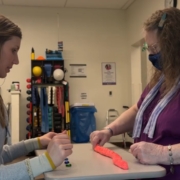
Best Fiber Options for Seniors

As we get older, taking care of our health becomes even more important. One simple way to stay healthy is by including enough fiber in your diet. Fiber can help with digestion, maintain steady blood sugar levels, and even lower cholesterol. But what are the best fiber options for seniors? Let’s explore easy and tasty choices to keep you feeling your best.

Why Fiber Matters

Fiber is key to keeping your digestive system on track. It helps prevent constipation, lowers the risk of heart disease, and supports a healthy weight. For seniors, consuming the right amount of fiber daily (25-30 grams) can make a big difference in overall health. Before making any big changes, talk to your primary care provider.

Top Fiber Options for Seniors

1. Oatmeal

Oatmeal is a classic breakfast that’s rich in soluble fiber. It’s gentle on the stomach and easy to prepare. Add fresh fruit or a sprinkle of cinnamon for a flavor boost.

2. Beans and Lentils

Packed with fiber and protein, beans and lentils are excellent meal additions. Whether it’s a hearty soup or a simple salad, these plant-based foods are versatile and budget-friendly.

3. Fresh Fruits

Fruits like apples, pears, and berries offer both fiber and essential vitamins. Keep the skin on for maximum nutrition. They make an easy snack or a sweet treat after meals.

4. Vegetables

Vegetables like carrots, broccoli, and spinach are fiber powerhouses. Steamed or raw, they add texture and flavor to your meals. Think of adding colorful veggies to soups, casseroles, or wraps.

5. Whole Grains

Whole-grain bread, brown rice, and quinoa are perfect replacements for their refined counterparts. They contain more nutrients and fiber to keep you fuller, longer. Look for labels with “100% whole grain” to make the best choice.

6. Nuts and Seeds

Almonds, chia seeds, and flaxseeds are small additions that pack a big fiber punch. Sprinkle them into yogurt, oatmeal, or cereal for a tasty and nutritious boost.

Helpful Tips to Get More Fiber

  • Start Slow: Add fiber gradually to avoid bloating or discomfort.
  • Stay Hydrated: Drink plenty of water to help fiber do its job.
  • Mix It Up: Eat a variety of fiber-rich foods for balanced nutrition.

Adding more fiber to your diet doesn’t have to be a challenge. By choosing items like fruits, vegetables, whole grains, and beans, you can improve your digestion and overall health. Making small, steady changes will have big benefits in the long run.

Taking care of your health as a senior means making wise food choices daily. Fiber can be a key part of that routine, helping you feel your best and enjoy life to the fullest.

Did you know WelbeHealth participants receive customized dietary support?

It’s your life. Live it your way.

WelbeHealth provides full-service healthcare and personalized support to help your loved ones age well at home and in your community. Our Program of All-Inclusive Care for the Elderly (PACE) meets the changing needs of seniors, often at no cost, while helping you navigate life as a caregiver. To see if you qualify, call: (888) 750-0248 | TTY 711 or visit: welbehealth.com/contact
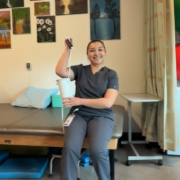
10 Tips for Seniors to Simplify Daily Life

Life can get a bit overwhelming at times, but with a few easy tips, you can make your day simpler and more enjoyable. These life hacks for seniors are easy to use and can help save time and energy, so you can focus on doing the things you love.

1. Use a Daily Pill Organizer

Managing your medications can feel like a full-time job, but a simple pill organizer can change that. These little boxes have labeled slots for each day of the week. Some even include morning, afternoon, and evening sections. Once a week, set aside a few minutes to fill the organizer with the right pills. This way, you’ll always know which medications to take and when.

2. Set Reminders on Your Phone

Technology can be your best friend! Use your smartphone to set reminders for appointments, medication times, or even watering plants. If you’re not comfortable with setting them yourself, ask a family member or friend to help you. A little “ding” on your phone can save you from forgetting important tasks.

3. Label Everything Clearly

Finding the right jar of spices or remembering which cord goes with which gadget can be frustrating. Use clear labels to easily identify things around your home. You can even use color-coded stickers for items like storage boxes, kitchen jars, and chargers. This saves time and cuts down on frustration when you’re in a hurry.

4. Meal Prep for the Week

Cooking every day can be exhausting. Simplify your meals by cooking in batches and storing food in portion-sized containers. For example, make a big pot of soup or pasta, divide it into containers, and refrigerate or freeze them. Then, when it’s time to eat, just heat one up! This will save you time and energy, especially on busier days.

5. Keep Frequently Used Items Within Reach

Avoid unnecessary bending or stretching by keeping the things you use most often in easy-to-reach places. For example, keep your glasses, medications, and TV remote on a bedside table. Similarly, store commonly used kitchen utensils and dishes on lower shelves to avoid straining yourself.

6. Use Online Grocery Shopping

Save yourself a trip to the store by trying online grocery shopping. Many stores now deliver groceries right to your door! You can take your time browsing online without any rush. Some services even offer features like recurring orders, so your most-purchased items get delivered automatically.

7. Simplify With Velcro or Magnetic Closures

Buttons and zippers can be tricky, especially for hands that aren’t as nimble as they used to be. Clothing with Velcro or magnetic closures is a great alternative. They’re easy to fasten and make getting dressed much faster.

8. Create a Grab-and-Go Bag

Whether it’s a trip to the doctor or a visit to the park, having a bag ready to go can save time. Fill it with basics like your ID, a water bottle, a small snack, and tissues. Keep the bag near the door so you can grab it on your way out.

9. Declutter Your Home

The less clutter you have, the easier it is to find what you need. Spend time going through drawers, closets, and shelves to get rid of things you don’t use anymore. Donate items that are still in good shape or give them to family and friends. A little decluttering can make your space feel brighter and more organized.

10. Use “Smart” Tech to Save Time

Smart devices like voice-controlled assistants can make daily tasks a breeze. From setting timers to playing your favorite music, these gadgets are simple to use with just your voice. They can even help you control home appliances like lights or thermostats.

Small changes can lead to big improvements in your daily life. These life hacks for seniors are simple to try and can help reduce stress, save time, and make everyday tasks easier.

Why not pick one or two tips to start with today? You deserve a routine that works for you.

Frequently Asked Questions (FAQs)

Q1. Are these tips easy to follow if I’m not good with technology?
Yes! Most of these tips don’t require any special tech skills. For the ones that do, like setting reminders or using smart devices, you can always ask a friend, family member, or neighbor to help.

Q2. What if I have trouble walking or moving around?
Many of these hacks, like keeping items within reach or using a grab-and-go bag, are perfect if you have mobility challenges. For things like meal prep or grocery shopping, you can also ask for help from a caregiver or loved one.

Q3. Can I try these tips on a budget?
Absolutely! Most of these ideas, like labeling, decluttering, and meal prepping, don’t require much money. Even tools like pill organizers and Velcro clothing are affordable and make a big difference.

It’s your life. Live it your way.

WelbeHealth provides full-service healthcare and personalized support to help your loved ones age well at home and in your community. Our Program of All-Inclusive Care for the Elderly (PACE) meets the changing needs of seniors, often at no cost, while helping you navigate life as a caregiver. To see if you qualify, call: (888) 750-0248 | TTY 711 or visit: welbehealth.com/contact

H6317_WBHWebLocation_166_SanJose_CMS Approved 01/05/2024, H8082_WBHWebLocation_166_Modesto Approved 5/14/2024, H1917_WBHWebLocation_166_RIVCVY Approved 5/14/2024, H1544_WebCAR CMS Approved 12/17/2024, H0934_WebLdgPgPT CMS Approved 12/17/2024, H1544_WebLdgPgPT CMS Approved 12/17/2024, H1917_WebLdgPgPT CMS Approved 12/17/2024, H2384_WebLdgPgPT CMS Approved 12/17/2024, H6317_WebLdgPgPT CMS Approved 12/17/2024, H8082_WebLdgPgPT CMS Approved 12/17/2024, H1917_CVYWelcome_CMS Approved 09/30/2024, H8082_StkMod_CMS Approved 09/30/2024, H1544_WebCAR CMS Approved 12/17/2024 H0934_WebLdgPg_CMS Approved 10/18/2024, H1544_WebLdgPg_CMS Approved 10/18/2024, H1917_WebLdgPg_CMS Approved 10/08/2024, H2384_WebLdgPg_CMS Approved 10/18/2024, H6317_WebLdgPg_CMS Approved 10/18/2024, H8082_WebLdgPg_CMS Approved 10/18/2024, H1219_PACEGuide_SP CMS Approved 05/14/2024, H1219_PACEGuide_CH CMS Approved 05/14/2024, H8082_WebLocPgMOD_CMS Approved 4/22/2025, H8082_WebLocPgEG_CMS Approved 4/21/2025, H1219_WebLocPgSBN_CMS Approval 7/11/25 , H2384_WebLocPgFresno_CMS Approval Pending XX/XX/XXXX