Life After a Stroke: Caitlyn’s Journey to Recovery
A stroke can change life in an instant. Everyday tasks like walking or talking can suddenly feel out of reach. But with care, support, and time, recovery is possible. At WelbeHealth, we see that every day. This is Caitlyn’s story of healing and hope.
Reclaiming Strength, Step by Step
Before her stroke, Caitlyn loved words. As a writer and author, she used them to tell stories and connect with others. Then, everything changed. After her stroke, Caitlyn couldn’t speak or move easily. Her family was scared. Even three months later, she struggled to answer simple yes-or-no questions.
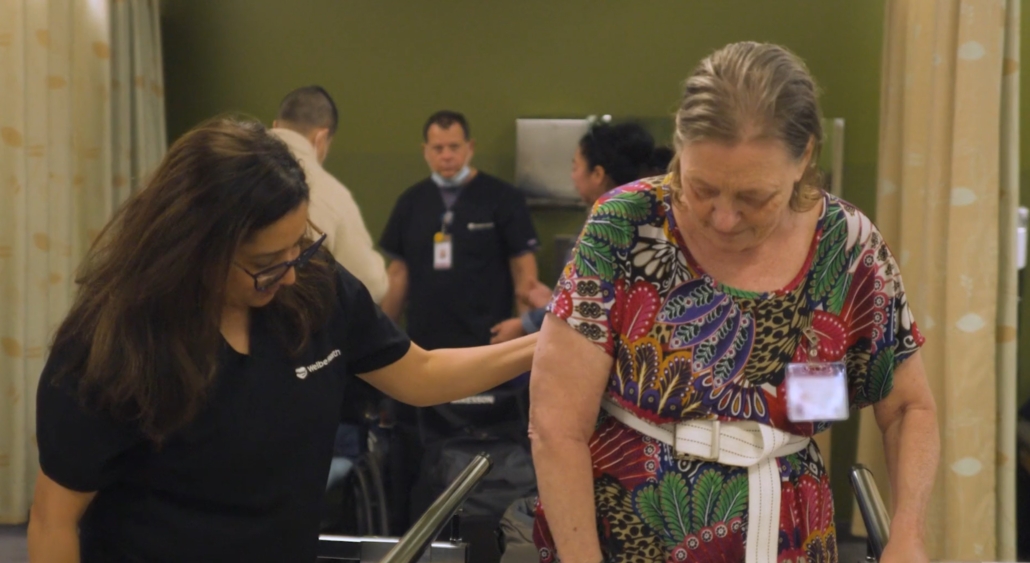
Then Caitlyn joined WelbeHealth. With the support of her care team—including physical and occupational therapists—she began her journey toward recovery.
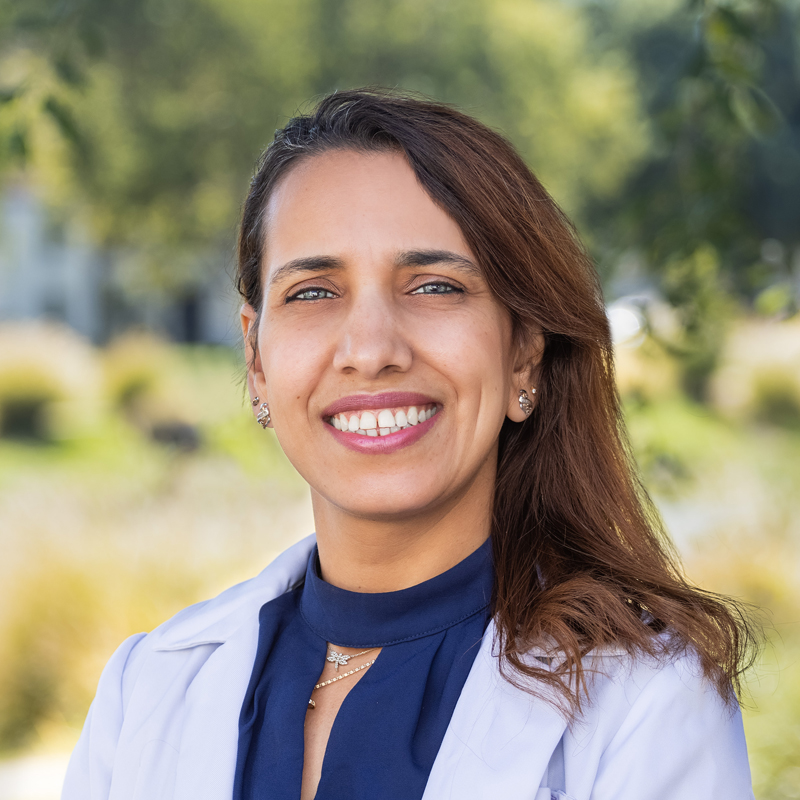
“When we started seeing her at our center, our focus was simply to help her stand,” shared Anagha Pathak, Rehabilitation Manager.
Through steady therapy, encouragement, and teamwork, Caitlyn began to rebuild her strength and confidence.
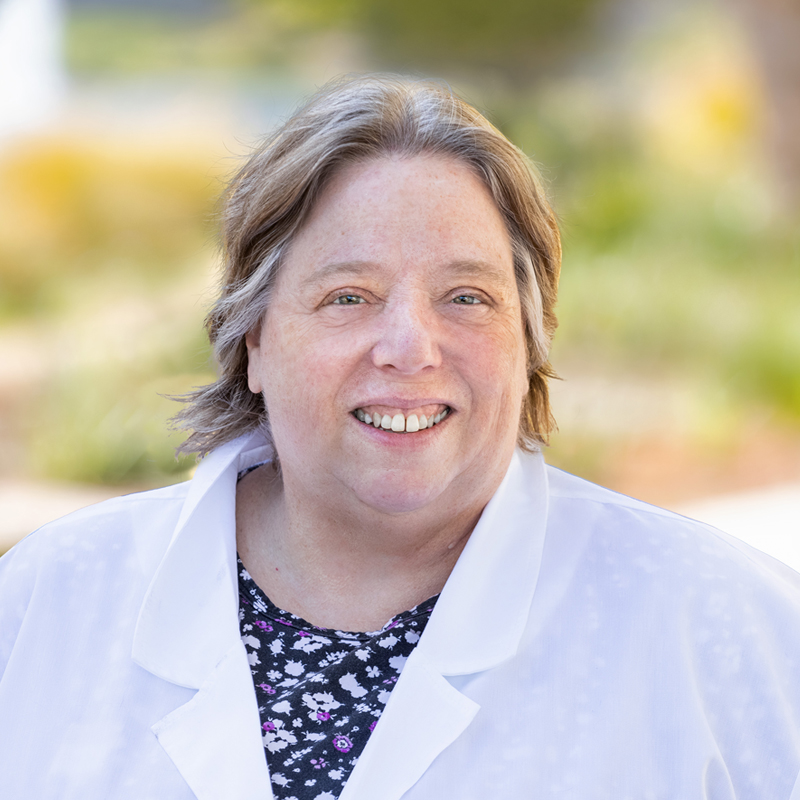
“Having WelbeHealth on our side has been more helpful than I can put into words,” said Kimberly, Caitlyn’s daughter. “They pushed her at just the right pace and helped her regain her independence.”
“They have been wonderful, wow,” Caitlyn shared.
A Community of Care
Caitlyn’s story shows what’s possible when compassionate care, family support, and personal determination come together. At WelbeHealth, she found more than medical care, she found a community committed to helping her live fully, one step at a time.
Watch Caitlyn’s inspiring story here.
Did You Know?
A stroke happens when blood can’t get to parts of the brain. This can occur if a blood vessel gets blocked or bursts. When that happens, the brain can’t get the oxygen it needs, and parts of the body may stop working properly.
A stroke can cause problems with walking, talking, seeing, or even thinking clearly. Getting help right away can make a big difference in recovery.
Source: American Stroke Association, a division of the American Heart Association
The Common Signs of a Stroke
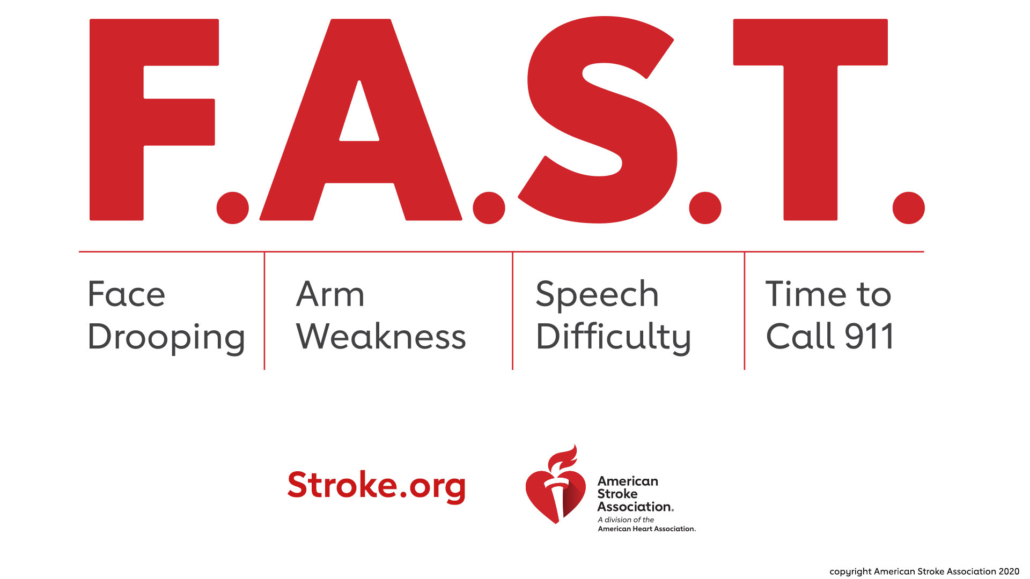
Use these signs to help recognize a stroke fast:
- F = Face Drooping – Does one side of the face droop, or is it numb? Ask the person to smile. Is the person’s smile uneven?
- A = Arm Weakness – Is one arm weak or numb? Ask the person to raise both arms. Does one arm drift downward?
- S = Speech Difficulty – Is speech slurred?
- T = Time to call 911 – Stroke is an emergency—every minute counts. Call 911 immediately. Note the time when any of the symptoms first appear.
Other Stroke Symptoms include:
- Numbness or weakness of the face, arm, or leg, especially on one side of the body
- Confusion, trouble speaking, or understanding speech
- Trouble seeing in one or both eyes
- Trouble walking, dizziness, loss of balance, or coordination
- Severe headache with no known cause
Prevention: How to Lower Your Risk of Stroke
The good news is that most strokes can be prevented. Getting care quickly can also help reduce the effects of a stroke. Here are some simple ways to stay strong and healthy:
- Keep track of your blood pressure, cholesterol, and diabetes.
- Make healthy choices, eat nutritious foods, move your body every day, don’t smoke, and limit alcohol.
- Take your medicines as your doctor tells you and go to regular checkups.
Strokes can feel scary, but knowing what to watch for and what to do can make a big difference. Share this information with your friends and family. The more people know, the more lives can be saved.
Source: American Stroke Association, a division of the American Heart Association
It’s your life. Live it your way.
WelbeHealth provides full-service healthcare and personalized support to help your loved ones age well at home and in your community. Our Program of All-Inclusive Care for the Elderly (PACE) meets the changing needs of seniors, often at no cost, while helping you navigate life as a caregiver. To see if you qualify, call: (888) 750-0248 | TTY 711 or visit: welbehealth.com/contact