National Nutrition Month: Easy and Healthy Food Swaps for Seniors
Summary:
March is National Nutrition Month. It is the perfect time for seniors to learn how small changes to what you eat can help you feel stronger and more lively. Try these easy tips for adding colorful fruits and vegetables to your meals each day.
Eating the right foods is important for staying strong and healthy, especially as we get older. March is National Nutrition Month, a great time to look at our eating habits. You do not have to cut out all your favorite foods. You just need to make small changes that are easy and tasty.
Our bodies need fewer calories but more important vitamins and minerals as we age. That means every bite matters! This post will show you simple swaps and the power of eating more colors every day.
What Is National Nutrition Month?
Every March, people talk about eating healthy for National Nutrition Month. The goal is to help you make smart choices and build good eating habits.
Seniors can use this month to check in on how you eat. Healthy food helps you feel better, have more energy, and keep your mind sharp for all the things you love to do.
What Are Easy Food Swaps?
A food swap means picking a healthier food instead of something less good for you. You do not have to give up taste or feel hungry. Learn how to read nutrition labels to make sure you’re making the right swaps for your health.
Why Swap Instead of Quit?
Stopping your favorite foods all at once can feel hard and upsetting. Swapping is much easier. When you swap, you find a food like your favorite but healthier for your body. You still enjoy meals you love.
Making healthy swaps can also help you incorporate brain-boosting foods into your diet.
Simple Swaps for Seniors
Try these easy swaps today:
- Whole wheat bread instead of white bread: More fiber makes it gentle on your stomach.
- Nuts or carrots instead of chips: Crunchy snacks with more goodness and less salt.
- Water with lemon instead of soda: Refreshing with no added sugar.
- Low-fat yogurt instead of heavy cream: Creamy taste with less fat.
- Herbs instead of table salt: Big flavor without raising blood pressure.
Want more meal ideas? Check out our Top 10 Healthy Breakfast Ideas for Busy Mornings.
Why Does Color Matter in Food?
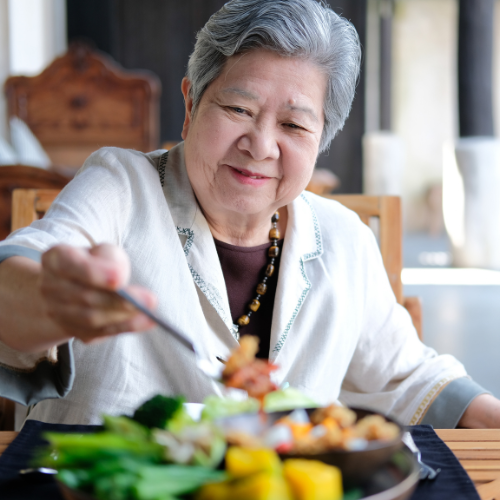
Look at your plate. Is it filled with brown or white foods? Adding color helps, because bright natural foods like red, orange, and green give you vitamins our bodies need.
Eating the Rainbow
Different colors help different parts of your body:
- Red: Tomatoes and strawberries are good for your heart.
- Orange/Yellow: Carrots and oranges help your eyes and skin.
- Green: Spinach and peas help your bones.
- Blue/Purple: Blueberries and eggplants are great for your brain and memory.
How Can Seniors Make Cooking Easier?
Cooking does not need to be hard, even if you get tired standing in the kitchen. Here are a few easy tips:
- Pre-cut vegetables: Buy these fresh or frozen to save time and effort.
- Cook once, eat twice: Make extra soup or stew for leftovers tomorrow.
- Colorful snacks in sight: Keep a bowl of fruit where you can see it, so you remember to eat healthy.
For more quick, healthy meals, try our easy fiber filled recipes or check out tips from the American Heart Association on healthy eating.
Frequently Asked Questions
How can I start to eat healthier?
Start with a small change! Add one new vegetable or swap white bread for wheat. Small steps add up.
Are frozen veggies healthy?
Yes! Frozen veggies are packed with vitamins and are a great, easy choice for meals.
How do I make food tasty without salt?
Try garlic, lemon, or fresh herbs like basil to give meals wonderful flavor without extra salt.
Is it too late for me to change my diet?
No, it is never too late! Healthy changes help you feel better and have more energy.
How can the Program of All-Inclusive Care for the Elderly (PACE) help seniors with nutrition?
The Program of All-Inclusive Care for the Elderly (PACE) helps seniors with their diet by providing access to dietitians and personalized meal plans. The program also ensures they get balanced meals and offers guidance on making healthy food choices, helping them stay independent and well.
Ready for National Nutrition Month?
Your health starts with your plate. Try one easy swap or add one bright color to your next meal. You will feel better and have more energy to enjoy each day.
If you liked these tips, share them with a friend. Eating well is more fun together!
It’s your life. Live it your way.
If you are a senior or caregiver looking for year-round support to live safely at home, WelbeHealth may be able to help. Our Program of All-Inclusive Care for the Elderly (PACE) provides medical care, social activities, and support tailored to your needs. To see if you qualify, call: (888) 750-0248 | TTY 711 or visit: welbehealth.com/contact