Safe Online Shopping Tips for Seniors

Shopping online is a great way to make life easier. You can buy groceries, clothes, books, and even gifts from home. No more driving or waiting in lines! But it’s important to stay safe when shopping online. This guide is here to help you learn tips to shop securely, protect your information, and avoid scams.

6 Easy Ways to Stay Safe When Shopping Online

1. Shop on Trusted Websites

  • Use websites you know, like those from big retail stores or brand names.
  • Always check for “https://” at the start of the website address. The “s” means it’s secure.
  • Avoid clicking on ads or shopping on websites you don’t recognize, especially if the deals seem too good to be true.

2. Use Strong Passwords

  • Your password should have a mix of letters, numbers, and symbols. For example, “Happy$Shop2023” is strong.
  • Don’t use the same password for different websites. If one account gets hacked, your other accounts will stay safe.
  • Try a trusted password manager app. It can create and save strong passwords for you.

3. Watch Out for Scams

  • Be careful with emails saying things like “You’ve won a gift card!” or “Act now to save 90%.” These are often scams.
  • Double-check email sender addresses and don’t click on any links in emails you aren’t sure about.
  • If an email seems strange, look at the sender’s email address to make sure it’s from a trusted company and it matches the company name.
  • Look out for spelling mistakes within the email and email address. If it has random letters, don’t trust it.
  • Scammers also like to scare you into acting fast.They might say, “Your account has been locked!” or “You need to confirm your information now!” Real companies usually don’t send messages like this. Take a moment to think before you click anything.
  • If a website asks for too much personal information, like your social security number, don’t proceed.

4. Use Safe Payment Methods

  • Pay with credit cards or popular payment services. These offer better fraud protection than debit cards.
  • Never send money through wire transfers or prepaid gift cards. Scammers often ask for these.
  • Check your bank or credit card statement regularly to stay safe.

5. Avoid Shopping on Public Wi-Fi

  • Public Wi-Fi, like at coffee shops or libraries, isn’t safe for shopping. Hackers can steal your information.
  • Shop when you’re home on your secured Wi-Fi network.
  • If you must shop on the go, use a VPN for extra protection.

6. Keep Your Devices Updated

  • Update your phone, tablet, or computer when it tells you to. These updates fix problems that hackers might use to get in. Make sure these updates are coming from your device and not a text message or email.
  • Install antivirus software to block harmful websites and viruses.

How to Spot a Fake Website

Sometimes scammers create fake websites that look real. Here’s how to spot them and avoid falling into a trap:

  • Look for bad spelling or strange grammar on the site. Real companies check their wording carefully.
  • Check if the website has contact information, like a phone number or email. If it’s missing these, it might be a scam.
  • Search the website name with the word “reviews.” This can help you see if people have reported it as fake.

Frequently Asked Questions (FAQs)

Q1. How can I tell if an email is a scam?
Scam emails often have urgent warnings, strange sender addresses, or links to unknown websites. When in doubt, delete it.

Q2. Is it safe to save my payment details on websites?
It depends. On trusted sites like big box stores, it’s usually safe. But for smaller or less-known sites, it’s better to enter your payment info each time.

Q3. What should I do if I think I’ve been scammed?
If you shared credit card info, call your card company right away. If you’ve entered personal details, scan your accounts for unusual activity.

Internal Resources for More Tips

Check out these other helpful guides to stay safe online:

Trusted External Resources

Want more advice? These resources can help:

Shopping online is meant to be fun and easy, especially for seniors! When you shop on trusted websites, use strong passwords, and stay alert for scams, you can enjoy online shopping without worry. Start small and get comfortable over time. If something feels wrong, trust your instincts and don’t enter your information.

Safe online shopping for seniors is all about knowing the rules and keeping things simple.

It’s your life. Live it your way.

WelbeHealth provides full-service healthcare and personalized support to help your loved ones age well at home and in your community. Our Program of All-Inclusive Care for the Elderly (PACE) meets the changing needs of seniors, often at no cost, while helping you navigate life as a caregiver. To see if you qualify, call: (888) 750-0248 | TTY 711 or visit: welbehealth.com/contact

Yoga for Seniors: Gentle Exercise for a Healthier Life

When you think of yoga, you might picture someone bending and twisting like a pretzel. But did you know yoga can be a great activity for seniors, too? It’s gentle, relaxing, and can be adapted for all levels of movement. Yoga doesn’t just help the body, it’s good for the mind, too!

If you’re a senior looking to stay active or feel more relaxed, yoga could be a great fit for you. It’s gentle, adaptable, and has numerous benefits for both your body and mind. Before starting any new exercise or wellness plan, including yoga, it’s always a good idea to check with your doctor to make sure it’s the right choice for your health. Once you’re ready, yoga can be a wonderful practice to help you move more, reduce stress, and improve your overall well-being. Why not give it a try?

Benefits of Yoga for Seniors

Yoga has tons of benefits, especially for older adults. By incorporating yoga into your life, you can experience positive changes in both body and mind. Here are a few benefits to look forward to:

  • Improves balance and strength – Yoga helps you stay steady on your feet and keeps your muscles strong.
  • Loosens stiff joints and muscles – Gentle stretches can reduce discomfort, especially if you have arthritis.
  • Boosts mood and reduces stress – Focusing on your breath and movement can help calm your mind and lower anxiety.
  • Enhances flexibility and mobility – It helps your body move more easily, making daily tasks simpler.

Shelley Newhouse, a 500-hour certified yoga instructor, says yoga allows people to feel “more comfortable and at ease.” It helps calm both the body and the mind, letting you focus on what’s important in life.

Types of Yoga for Seniors

Even if you’re not able to move like you used to, there’s a type of yoga for everyone. Here are two styles of yoga that are perfect for seniors:

Chair Yoga

  • Great for those with limited mobility.
  • Done while sitting or using a chair for support.
  • Examples include seated poses and gentle standing movements.

Chair yoga allows you to participate safely and at your own comfort level. Plus, over time, it may build your confidence to move without extra support.

Restorative Yoga

  • Focuses on relaxation with gentle, extended poses.
  • Many poses involve lying down or sitting, making it restful for the body.
  • Helps quiet the mind and soothe the nervous system.

Restorative yoga is a wonderful way to unwind, especially if you’re managing stress or need some peaceful “me time.”

How to Get Started

Starting yoga as a senior is easy. Follow these tips to make sure you have a safe and enjoyable experience:

  1. Talk to Your Doctor
    Always check with your healthcare provider before trying new activities. They might recommend specific poses or adjustments based on your health.
  2. Choose Virtual or In-Person Classes
    • Virtual options, like YouTube classes, are convenient if you want to try yoga at home.
    • In-person classes can give you hands-on help and build a sense of community.
  3. Create a Calm Space
    • Pick a quiet time for your practice, such as mornings or evenings.
    • Wear comfy clothes and clear away distractions for better focus.
  4. Listen to Your Body
    Never push yourself to the point of pain. Modify poses or take breaks as needed.

Easy Yoga Poses to Try

Here are a few simple poses to help you get started. They’re designed to help with flexibility, strength, and body awareness.

  • Seated Mountain Pose
    Sit tall in a chair with your back straight. Place your hands on your knees and relax your shoulders. Breathe deeply and enjoy the calm sensation.
  • Seated Cat/Cow
    Arch your back slightly as you inhale, bringing your shoulders down. Exhale and round your spine, letting your head drop. Repeat a few times.
  • Standing Mountain Pose
    Stand tall with your feet parallel. Relax your shoulders and focus on your breathing. This teaches alignment, and it’s a great foundation for other poses.
  • Chair Pose
    From a standing position, bend your knees slightly like you’re about to sit in a chair. Hold for a few breaths to strengthen your legs.

Yoga is a gentle but powerful way to care for your body and mind. Whether you do it with a group or alone at home, the benefits are well worth it. Strength, mobility, and peace of mind are just some of the rewards you’ll enjoy.

Before getting started, have a chat with your doctor to make sure yoga is right for you. Then, all you’ll need is a little time, some comfy clothes, and a willingness to try something new. Give it a go, you might be surprised at how great it makes you feel!

This blog is for informational purposes only and is not intended as professional advice. Always consult a qualified healthcare provider or specialist for specific questions or concerns.

It’s your life. Live it your way.

WelbeHealth provides full-service healthcare and personalized support to help your loved ones age well at home and in your community. Our Program of All-Inclusive Care for the Elderly (PACE) meets the changing needs of seniors, often at no cost, while helping you navigate life as a caregiver. To see if you qualify, call: (888) 750-0248 | TTY 711 or visit: welbehealth.com/contact

Creating a Safe Environment: Ideas for Caring for Someone with Dementia

Caring for a loved one with dementia can feel challenging, but small changes can make a big difference in creating a safe and supportive home. Dementia affects memory and thinking, making it harder for someone to handle daily activities. By adapting the living environment, you can help ensure your loved one feels secure and comfortable.
Here’s a guide to help you identify and address common safety concerns, step by step.

Lighting Matters

The right lighting can greatly impact safety and mood.

  • Ensure all rooms are well-lit. Dim or harsh lighting can disorient someone with dementia.
  • Use automatic timers or smart plugs to manage lighting and avoid reliance on memory.
  • Prevent sundowning episodes, where late-day confusion and agitation occur, by keeping the home well-lit in the afternoon and evening.
    Good lighting improves visibility and can create a calming atmosphere for your loved one.

Address Safety Concerns

Taking precautions can reduce risks and give both of you peace of mind.

  • Secure hazards like chemicals, weapons, and sharp tools. Store them out of reach or lock them up.
  • Monitor medication supplies carefully using pill organizers or automated dispensers to ensure correct dosages.
  • Install grab bars in key areas like the bathroom to prevent falls.
    These steps make the home safer while still allowing for some independence.

Tidy Up and Remove Clutter

Clutter can be dangerous for someone with dementia.

  • Declutter areas prone to accidents, like hallways, stairs, and the bathroom.
  • Use textured flooring to reduce slips and falls.
    A clean, organized space reduces risks and eases navigation for your loved one.

Create Care Plans

Planning for specific care areas helps address potential dangers while respecting your loved one’s abilities.

  • Kitchen safety: Assess whether they can safely use appliances. Install fire detectors and keep updated on their functionality.
  • Nutrition: Provide reminders to eat and stock the home with healthy foods. Check for expired items regularly.
  • Wandering prevention: Look out for signs like pacing or restlessness. Adjust locks higher or lower on doors to discourage wandering while maintaining their dignity.
    By tailoring care to their needs, you can create a nurturing environment they feel comfortable in.

Be Aware of Common Safety Issues

From scams to emergencies, it’s vital to stay a step ahead.

  • Driving: Consult with their doctor about when it may be time to stop driving.
  • Scams: Protect them from fraudulent calls, texts, or emails by creating an approved call list and blocking suspicious contacts.
  • Emergency preparedness: Keep contacts easily accessible and teach your loved one what to do in urgent situations.
  • Appropriate clothing: Ensure they dress for the season. Have coats and warm clothes handy, and monitor space heaters or electric blankets for potential safety risks.
    Preparedness helps prevent problems before they arise, keeping your loved one secure and comfortable.

Small Changes, Big Impact

Every safety measure you take supports your ultimate goal, helping your loved one live as independently and comfortably as possible. By making thoughtful changes, you can create a nurturing environment that allows them to thrive at home.
For a detailed home safety checklist you can rely on, check out the Alzheimer’s Association Home Safety Checklist. It’s filled with helpful guidance to keep your loved one safe.
Caring for someone with dementia is a journey, but with care, patience, and love, you can make each day safer and more fulfilling for you and your loved one.

This blog is for informational purposes only and is not intended as professional advice. Always consult a qualified healthcare provider or specialist for specific questions or concerns regarding caregiving or medical issues.

It’s your life. Live it your way.

WelbeHealth provides full-service healthcare and personalized support to help your loved ones age well at home and in your community. Our Program of All-Inclusive Care for the Elderly (PACE) meets the changing needs of seniors, often at no cost, while helping you navigate life as a caregiver. To see if you qualify, call: (888) 750-0248 | TTY 711 or visit: welbehealth.com/contact
Bathing Tips for Caregivers

Bathing a loved one can be a challenging but crucial part of caregiving. For seniors or individuals with special needs, it’s important to ensure the process is safe, comfortable, and respectful. Whether you’re new to caregiving or looking for ways to improve, these tips can help make bathing easier for both of you.

Prepare Before You Begin

Preparation is key to a smooth bathing experience. It helps reduce stress for you and the person in your care.

  • Gather all supplies ahead of time like soap, shampoo, towels, and clean clothes. This way, you can stay focused and minimize trips away from the bathroom.
  • Set the bathroom temperature to a comfortable level. A warm room helps prevent chills and ensures comfort.
  • Check the water temperature FIRST! The water should be warm, not too hot or cold. You can use a thermometer or test it with your wrist.
  • Think about privacy. Use towels or robes to help them feel secure and respected.

Make Safety a Priority

Bathrooms can be slippery, so safety is essential.

  • Use a non-slip mat in the bathtub or shower to prevent falls.
  • Install grab bars by the tub and toilet for additional support when moving.
  • Keep the floor dry to avoid slips. Use a towel or mop up any puddles quickly.
  • Never leave them unattended if they are unsteady or need help.
    According to the CDC, falls are one of the leading causes of injuries for older adults, making these measures especially important.

Respect Their Comfort

Bathing can feel like a sensitive task. Be sure to make them feel comfortable and involved.

  • Ask how they’d like to bathe, either with your help or independently in places they can manage.
  • Cover areas of the body not being washed to protect their dignity and keep them warm.
  • Go slow and explain each step so there are no surprises. It builds trust and lets them feel in control.

Use the Right Tools

Certain tools can make the bathing process easier and more efficient for everyone.

  • Shower chairs or benches allow them to sit safely while bathing.
  • Handheld shower heads give better control and keep water from splashing where it’s not wanted.
  • Gentle, no-rinse cleansers are great options. These are helpful if a full bath or shower isn’t possible every day.

Work Around Individual Challenges

Every person is unique, so adjusting your approach can make a big difference.

  • For memory issues, like in someone with Alzheimer’s, keep routines consistent. Use calm words and avoid rushing them.
  • For mobility problems, you may need extra support, like helping with transfers or using a hoist.
  • Talk to professionals, like occupational therapists, for advice on what tools or methods might help your situation.

Take Care of Yourself, Too

Caregiving can be physically and emotionally demanding. Remember, you also deserve care!

  • Stretch and practice good posture when assisting to avoid injuries.
  • Ask for help if you need it, don’t try to do it all alone.
    The Family Caregiver Alliance suggests joining caregiver support groups so you can share advice and get encouragement.
    By following these tips, bathing can become a safe and positive experience for both you and your loved one. It’s all about preparation, safety, and compassion. Remember, small actions can have a big impact on their comfort and well-being.

For more caregiver tips and free caregiver guide, visit our Caregivers Resource Page.

This blog is for informational purposes only and is not intended as professional advice. Always consult a qualified healthcare provider or specialist for specific questions or concerns regarding caregiving or medical issues.

It’s your life. Live it your way.

WelbeHealth provides full-service healthcare and personalized support to help your loved ones age well at home and in your community. Our Program of All-Inclusive Care for the Elderly (PACE) meets the changing needs of seniors, often at no cost, while helping you navigate life as a caregiver. To see if you qualify, call: (888) 750-0248 | TTY 711 or visit: welbehealth.com/contact
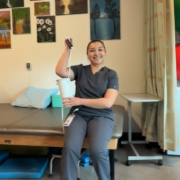
Understanding PACE: Care for Seniors

Getting older comes with its own set of challenges, but staying healthy and active shouldn’t be one of them. That’s where PACE, or the Program of All-Inclusive Care for the Elderly, can make a big difference. This program helps seniors stay independent, healthy, and happy. Let’s take a closer look at what PACE is and how it can help you or someone you care about.

What Is PACE?

PACE is a program that brings together all the care seniors need, all in one spot. From doctor visits to fun activities, PACE focuses on making life easier for older adults while keeping them connected to their communities.

Here’s What PACE Offers:

  • Medical Care: Doctor visits, nurses, and specialists are ready to help with health needs.
  • Therapy Services: Includes physical, speech, and occupational therapy to keep seniors moving and communicating.
  • Social Activities: Social activities help keep seniors engaged and connected.

How Does PACE Work?

PACE centers are located in local communities, so seniors don’t have to travel far to get the care they need. The program’s team works with each person to create a care plan that’s just right for them.

Who Can Join PACE?

You can qualify for PACE if you:

  • You are 55 years old or older.
  • You live in the service area of a PACE organization.
  • You are certified by the state in which you live as meeting the need for the nursing home level of care.
  • You are able to live safely in the community with the help of PACE services at the time you enroll.

Why Choose PACE?

PACE is more than just a healthcare program, it’s about making life better. Here’s why it’s a great choice for seniors:

  • Complete Care: PACE covers all healthcare services, so there’s no need to juggle multiple providers.
  • Personalized Support: Each person gets a care plan tailored to their unique needs.
  • Independence and Community: Seniors stay in their homes and neighborhoods while staying active and connected.

What’s Included in PACE?

PACE includes many helpful services to meet the health and well-being needs of seniors. Here are some things the program often provides:

  • Doctor Visits and Specialty Care: Routine check-ups and visits to specialists when needed.
  • Help at Home: Support with daily activities like getting dressed or taking medication.
  • Medications: Full coverage for prescription drugs.
  • Day Programs: Seniors can visit day centers to get care, eat meals, and join activities.
  • Dental, Vision, and Hearing Care: Includes check-ups and treatments to help seniors feel their best.

PACE helps seniors stay in their communities, feel cared for, and enjoy life without having to worry about their healthcare. If you think you or a loved one could benefit from PACE, reach out to a program near you for more information.

It’s your life. Live it your way.

WelbeHealth provides full-service healthcare and personalized support to help you age well at home and in your community. Our Program of All-Inclusive Care for the Elderly (PACE) meets the changing needs of seniors, often at no cost. To see if you qualify, call: (888) 750-0248 | TTY 711 or visit: welbehealth.com/contact

How Sleep Affects Your Heart Health

You know that feeling when you wake up after a good night’s sleep, refreshed and ready to take on the day? Sleep is not just about feeling rested, it has a big impact on your overall health, especially your heart. Your heart works tirelessly to pump blood, deliver oxygen, and support your body. Sleep is like a repair session for your heart, giving it a chance to recharge and stay strong.

If sleep isn’t a priority in your life, whether it’s due to stress, busy schedules, or late-night habits, it might be taking a toll on your heart. Let’s explore how sleep and heart health are connected, why poor sleep can be risky, and what you can do to protect your heart while catching more Z’s.

Why Sleep Is Vital for Heart Health

When you sleep, your body goes into recovery mode. Your heart rate slows, your blood pressure drops, and your body uses this time to reset. Quality sleep is essential for your cardiovascular system, helping it recharge so it can be ready for the next day.

What Happens During Sleep:

  • Heart rate slows down. This gives your heart a break from constant activity.
  • Blood pressure decreases. Lower pressure reduces strain on your heart and arteries.
  • Tissue repair kicks in. Cells throughout your body, including those in your heart and blood vessels, repair themselves.
  • Stress hormones reset. Sleep helps balance hormones like cortisol that, in excess, can harm your heart.

Without enough quality sleep, your heart misses out on these key benefits, leaving it more vulnerable to health problems.

The Link Between Poor Sleep and Heart Problems

We’ve all had nights where we stayed up too late or tossed and turned for hours. Occasionally missing sleep isn’t a huge deal, but when poor sleep becomes a habit, it starts to affect your heart. Studies show that people with sleep issues are more likely to develop heart problems such as high blood pressure, heart disease, and stroke.

Risks of Poor Sleep:

  • High blood pressure. Sleep helps regulate your blood pressure. Without enough rest, it can stay high during the day, straining your heart.
  • Inflammation. Lack of sleep increases inflammation in your body, which can damage your blood vessels.
  • Weight gain. Poor sleep affects hormones that control hunger, often leading to overeating and weight gain, both risk factors for heart problems.
  • Irregular heart rhythms. Sleep disorders like sleep apnea can cause erratic heartbeats that stress the cardiovascular system.

One of the most alarming issues is sleep apnea, a condition where your breathing stops and starts repeatedly during sleep. It’s strongly linked to heart disease and other serious health problems.

How Sleep Quality Impacts Your Cardiovascular System

The quality of your sleep matters as much as how long you’re sleeping. Even if you’re in bed for eight hours, disruptions can prevent you from getting the deep, restorative sleep your heart needs.

The Role of Sleep Stages:

  • Deep sleep is when your body does most of its recovering. Your blood pressure and heart rate drop the most during this stage.
  • REM sleep (dream sleep) helps regulate stress hormones and maintains healthy brain function. Poor REM sleep can increase stress and heart strain.

If you wake up feeling groggy or always need naps during the day, it might be a sign that your sleep quality isn’t up to par.

Tips for Better Sleep to Boost Heart Health

The good news? Improving your sleep habits can have big benefits for your heart. You don’t need a complete lifestyle overhaul, just a few everyday changes can make a world of difference.

Create a Sleep-Friendly Environment:

  • Keep your bedroom cool and dark. A comfortable temperature and blackout curtains can help your body relax.
  • Invest in a good mattress and pillow. The right support can improve your sleep posture and comfort.
  • Limit noise. Use a white noise machine or earplugs if nighttime noises disturb you.

Build a Relaxing Bedtime Routine:

  • Unwind with activities like reading, meditating, or taking a warm bath.
  • Avoid screens (like phones or laptops) an hour before bed, as blue light can interfere with your sleep hormones.
  • Go to bed and wake up at the same time every day, even on weekends, to set a steady rhythm for your body clock.

Healthy Habits for Restful Nights:

  • Exercise regularly. Getting 30 minutes of moderate activity most days can help you fall asleep easier.
  • Avoid caffeine and heavy meals close to bedtime. Both can keep you awake or disrupt your sleep cycles.
  • Limit alcohol. While it might make you sleepy at first, alcohol interferes with deep sleep and can worsen conditions like sleep apnea.

Listen to Your Body:

If you often wake up tired despite a full night’s rest, it’s worth talking to your doctor. They may want to check for underlying sleep disorders, like insomnia or sleep apnea.

How Much Sleep Does Your Heart Need?

You’ve probably heard that adults need 7-9 hours of sleep a night, this range ensures your heart and body have enough downtime to recover. But this isn’t one-size-fits-all. Some people feel great with 7 hours, while others thrive with closer to 9.

The key is consistency. A sleep schedule that varies every night doesn’t allow your body to fully settle into a rhythm, which impacts your sleep quality.

Age-Specific Sleep Needs:

  • Teens (14–17 years): 8–10 hours
  • Adults (18–64 years): 7–9 hours
  • Older adults (65+ years): 7–8 hours

No matter your age, developing healthy sleep habits can pay off in better heart health and overall well-being.

Protect Your Heart, One Night of Sleep at a Time

Your heart works around the clock for you, but it needs those nightly breaks to recharge and stay strong. By prioritizing your sleep, you’re not just helping your heart, you’re improving your energy, mood, and overall health.

Take Action Today:

  • Start by setting a regular bedtime and sticking to it.
  • Practice a calming bedtime routine to ease into sleep.
  • Make small changes to your environment for more restful nights.


A healthy heart starts with healthy sleep. Commit to one new habit from this list tonight and feel the difference tomorrow! Remember, small steps lead to big changes. Together, we can keep your heart happy and strong!

It’s your life. Live it your way.

WelbeHealth provides full-service healthcare and personalized support to help you age well at home and in your community. Our Program of All-Inclusive Care for the Elderly (PACE) meets the changing needs of seniors, often at no cost. To see if you qualify, call: (888) 750-0248 | TTY 711 or visit: welbehealth.com/contact
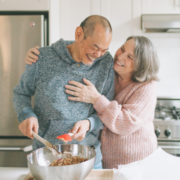
Heart Health for Women: What You Need to Know

Taking care of your heart is one of the most important things you can do to live a long and happy life. While heart health is important for everyone, women, especially seniors, face specific risks and challenges that make it essential to pay closer attention to their heart. Yet, many people are surprised to learn that heart disease remains the leading cause of death in women over the age of 65.

This guide will walk you through what makes heart health unique for women, the warning signs to watch for, and the steps women can take to protect their hearts.

Why Heart Health is Different for Women

Many studies focus mostly on men when it comes to heart disease, but women experience heart issues differently. This difference makes it harder to recognize signs of trouble or even understand risk factors. Here are some reasons why women, especially seniors, face unique challenges when it comes to heart health.

  • Different Symptoms: Women may not experience the same chest pain that men feel during a heart attack. Instead, they might feel more fatigue, shortness of breath, light-headedness, or even nausea.
  • Hormonal Influence: Estrogen levels drop after menopause, which offers less protection to the heart. This leads to an increased risk of issues like high cholesterol and high blood pressure.
  • Smaller Blood Vessels: Women’s arteries are often smaller than men’s, which means blockages or plaque buildup might have a different impact and are harder to detect.
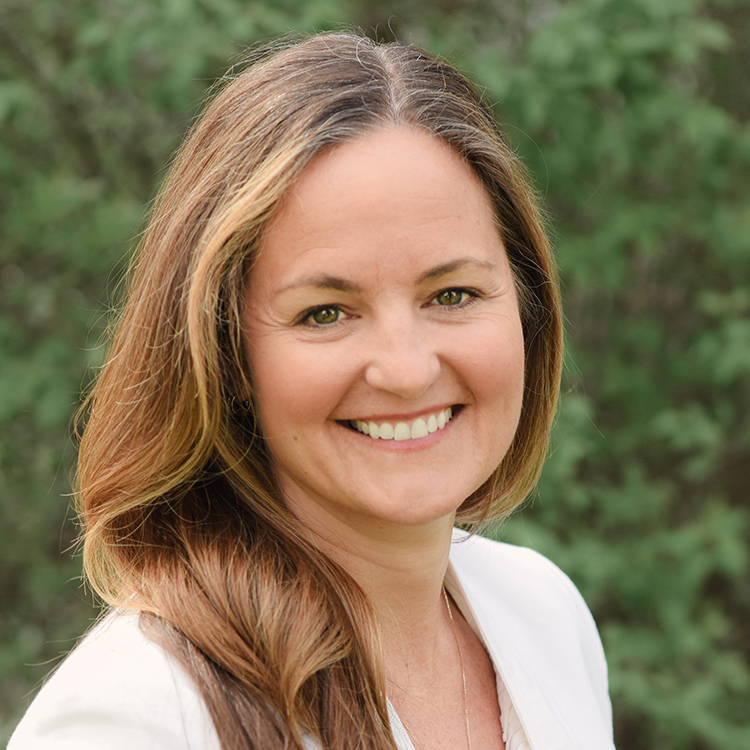
  • Stress and Mental Health: Women are more likely to experience depression or anxiety, which can harm heart health. Stress plays a key role in raising blood pressure and leads to poor lifestyle choices like unhealthy eating or skipping exercise.

Understanding these differences is key to empowering women to take charge of their heart health.

Important Risk Factors for Senior Women

Heart disease can happen to anyone, but certain things increase women’s chances as they grow older. Here are some common risk factors to keep in mind.

1. High Blood Pressure

High blood pressure makes your heart work harder. Over time, this can lead to heart failure or stroke. After menopause, blood pressure often rises due to hormonal changes.

What you can do:

  • Check your blood pressure regularly.
  • Eat heart-friendly foods, like fruits and vegetables.
  • Reduce salty foods, which can raise blood pressure.

2. High Cholesterol Levels

Having too much “bad” cholesterol (LDL) in your blood can cause plaque to build up in your arteries, leading to blockages.

What you can do:

  • Replace unhealthy fats with healthy ones, like avocado or olive oil.
  • Get regular cholesterol tests during check-ups.

3. Diabetes

Women with diabetes face an even greater risk of heart disease than men with diabetes. High blood sugar can damage blood vessels and nerves, making heart issues worse.

What you can do:

  • Keep your blood sugar in a healthy range with a balanced diet and medication (if needed).
  • Stay active; even light exercises like walking can help.

4. Obesity

Carrying extra weight puts extra strain on your heart. Obesity also ties to other risk factors like diabetes and high cholesterol.

What you can do:

  • Look for small, healthy changes instead of aiming for fast results.
  • Focus on eating whole grains, lean protein, and adding vegetables to every meal.

5. Lack of Physical Activity

A sedentary lifestyle is common for seniors, but it’s important to keep moving. Physical activity boosts circulation, strengthens your heart, and helps manage weight.

What you can do:

  • Choose fun activities like dancing, swimming, or yoga. These are gentle on joints while benefiting the heart.
  • Aim for at least 30 minutes of movement, 5 days a week.

6. Smoking

Smoking damages arteries, increases blood pressure, and leads to plaque buildup. Quitting—even later in life—can significantly reduce risks.

Warning Signs Women Should Never Ignore

Heart trouble can sneak up in ways you might not expect. For women, the symptoms can differ from what men experience. It’s important to stay alert, especially as a senior, for the following signs.

Subtle Signs of a Heart Attack

  • Fatigue: Feeling unusually tired for days or weeks.
  • Shortness of Breath: Trouble catching your breath during normal activities.
  • Nausea or Vomiting: Feeling sick without clear reasons.
  • Pain in Other Areas: Pain may show up in your back, neck, jaw, or arms instead of your chest.

If you notice these symptoms, don’t ignore them. Call 911 or go to the emergency room right away. Early treatment can save your life.

How Seniors Can Protect Their Hearts

Making healthy choices doesn’t have to be complicated or overwhelming. Small changes can add up in big ways. Try these tips to keep your heart strong and healthy.

1. Get Moving

Exercise keeps your heart strong and improves your mood. Start with something easy, like a daily 10-minute walk, then gradually increase to longer sessions.

2. Eat Heart-Healthy Foods

  • Focus on fiber-rich foods like oatmeal, vegetables, and beans.
  • Add fish like salmon or tuna for omega-3 fats, which are good for your heart.
  • Cut back on sugary drinks and packaged snacks.

3. Stay Connected

Loneliness and depression can harm your heart. Stay socially active by joining local groups, volunteering, or spending time with family and friends.

4. Quit Smoking

Even if you’ve smoked for years, quitting now will make a big difference. Talk to your doctor about medications or programs that can help.

5. Monitor Your Health

Visit your doctor regularly to keep track of your blood pressure, cholesterol, and blood sugar. Early prevention goes a long way.

The Role of Support Networks

Seniors often depend on family, friends, or caregivers to help them manage their heart health. It’s important for loved ones to know the risks women face and provide encouragement.

Ways to offer support:

  • Remind your loved one about the importance of check-ups.
  • Help prepare healthy meals if cooking feels overwhelming.
  • Join in exercise routines to make it fun for everyone involved.

Take Action for a Healthier Heart

Heart health doesn’t have to be a guessing game. By understanding the unique risks and challenges women face, especially later in life, you can take steps toward protecting your heart every day. Start small, stay consistent, and don’t hesitate to ask for support if you need it.

Tips to try:

  • Book an appointment with your doctor for a heart health check-up.
  • Write down one healthy habit you want to try this week, like a morning walk or swapping soda for water.
  • Encourage a loved one to join you in creating healthy routines together.

Your heart works hard for you every single day, now it’s time to return the favor!

It’s your life. Live it your way.

WelbeHealth provides full-service healthcare and personalized support to help you age well at home and in your community. Our Program of All-Inclusive Care for the Elderly (PACE) meets the changing needs of seniors, often at no cost. To see if you qualify, call: (888) 750-0248 | TTY 711 or visit: welbehealth

10 Everyday Habits for a Healthier Heart

Your heart is an amazing organ, working nonstop to keep you alive. But like any other part of your body, it needs care and attention. Many heart problems, like heart disease and high blood pressure, can be prevented by making small changes to your daily routine. These habits don’t need to be hard or time-consuming, they can fit right into the life you already have! Here are 10 simple, everyday habits you can adopt to strengthen your heart and improve your health.

1. Eat Heart-Healthy Foods

What you put on your plate plays a big role in heart health. Some foods can keep your heart strong, while others can cause trouble over time.

Tips for Eating for Your Heart:

  • Add more fruits and vegetables. Fresh, bright-colored produce like oranges, broccoli, and berries are packed with nutrients your heart needs.
  • Choose whole grains. Foods like whole-grain bread, brown rice, and oats can lower cholesterol.
  • Go for healthy fats. Fatty fish like salmon, nuts, seeds, and olive oil help protect your heart.
  • Limit salt and sugar. Too much of these can lead to high blood pressure and weight gain.

Even small changes, like swapping chips for an apple or white rice for quinoa, can make a big difference!

2. Stay Active Every Day

Moving your body doesn’t have to mean spending hours at the gym. Even short bursts of activity can make your heart stronger.

Ways to Keep Moving:

  • Take a quick 30-minute walk most days.
  • Dance to your favorite music in the kitchen.
  • Stretch or do yoga to increase flexibility and help circulation.
  • Choose stairs instead of the elevator.

Your heart is a muscle, and exercise helps it pump blood more efficiently.

3. Drink More Water

Staying hydrated helps your whole body, including your heart. Water helps blood flow more easily, reducing strain on your heart.

Easy Ways to Drink More:

  • Carry a reusable water bottle wherever you go.
  • Add slices of lemon, cucumber, or mint to make your water more exciting.
  • Drink a glass of water before every meal.

If you’re not used to drinking water regularly, start by replacing one sugary drink a day with water.

4. Get Enough Sleep

Did you know sleep is as important for your heart as diet and exercise? Poor sleep is linked to issues like high blood pressure and heart disease.

Tips for Better Sleep:

  • Stick to a sleep schedule by going to bed and waking up at the same time.
  • Create a calming bedtime routine, like reading or meditating.
  • Turn off screens at least an hour before bedtime to help you relax.

Aim for 7-9 hours of good-quality sleep each night to give your heart a rest.

5. Manage Stress

Stress feels like it lives in your head, but it affects your body, too, especially your heart. Chronic stress can raise blood pressure and lead to unhealthy habits like overeating or smoking.

How to Handle Stress:

  • Practice deep breathing or mindfulness every day, even for 5 minutes.
  • Take breaks when you feel overwhelmed.
  • Spend time with loved ones who make you laugh and feel supported.

Learning to manage stress in healthy ways protects your heart and your mind.

6. Avoid Smoking and Limit Alcohol

Smoking harms your blood vessels and brings on several heart-related risks. Similarly, drinking too much alcohol can lead to high blood pressure, weight gain, and other issues.

Steps to Cut Back:

  • Replace smoking with a healthier habit, like chewing gum or going for a walk.
  • Set limits for alcohol, like sticking to one glass of wine once a week.
  • Seek support or join a group if you need help quitting smoking or drinking.

Quitting smoking alone improves heart health within just weeks!

7. Monitor Your Blood Pressure

High blood pressure is often called the “silent killer” because it shows no symptoms but greatly increases the risk of heart problems. The good news? Keeping track of it helps you stay ahead.

How to Keep Blood Pressure in Check:

  • Use a home blood pressure monitor or check it at your doctor’s office.
  • Cut back on salty processed foods.
  • Reduce stress through yoga, meditation, or light exercise.

Knowing your numbers empowers you to take proactive steps.

8. Control Your Cholesterol

Cholesterol is a substance in your blood that your body needs in small amounts. Too much “bad” cholesterol, however, can clog arteries and make it harder for your heart to pump.

Ways to Improve Cholesterol Levels:

  • Eat foods high in fiber, like beans, lentils, and oats.
  • Avoid trans fats found in many fried foods and packaged snacks.
  • Exercise regularly, as it helps increase “good” cholesterol and decrease the bad type.

Ask your doctor to check your cholesterol levels during routine visits.

9. Maintain a Healthy Weight

Carrying too much weight, especially around your middle, puts extra strain on your heart.

Tips for Healthy Weight Management:

  • Focus on portion sizes at meals. You don’t have to give up your favorite foods—just eat them in moderation.
  • Combine cardio and strength-training exercises to burn calories and build muscle.
  • Avoid crash diets, as these can harm your metabolism and heart.

Even losing a small amount of weight can lower blood pressure and cholesterol, helping your heart work better.

10. Laugh Often and Stay Positive

Taking care of your heart isn’t all about what you eat or how much you exercise. Laughter and a positive attitude can boost heart health, too! Laughing reduces stress hormones and helps your blood vessels function better.

Ideas to Spread Joy:

  • Watch a funny movie or spend time with friends who make you laugh.
  • Keep a gratitude journal to focus on the good things in life.
  • Volunteer or help others—it not only feels good, but it also keeps your heart happy!

Happiness is a powerful tool for a healthy heart and mind.

Make Small Changes Today

Improving heart health doesn’t mean overhauling your entire life. Instead, try adopting one habit at a time. Even tiny steps—like walking a little more, eating an extra serving of vegetables, or laughing with a friend—can make your heart stronger and healthier.

Take Action Now
Choose one habit from this list that you can start today. Maybe it’s drinking more water or going for a refreshing walk. Small changes add up, and your heart will thank you for each one. Together, we can build healthier habits to keep our hearts beating strong for years to come!

Your heart works hard for you, every single day. Isn’t it time you returned the favor?

It’s your life. Live it your way.

WelbeHealth provides full-service healthcare and personalized support to help you age well at home and in your community. Our Program of All-Inclusive Care for the Elderly (PACE) meets the changing needs of seniors, often at no cost. To see if you qualify, call: (888) 750-0248 | TTY 711 or visit: welbehealth

Tips for Staying Active and Healthy as You Age

Growing older can be full of amazing moments—spending time with loved ones, learning new things, and enjoying hobbies. Staying active and healthy means you can make the most of every day, no matter your age. Here are some friendly tips to help you stay active, healthy, and happy as you age.

Move Your Body Every Day

One of the best things you can do for yourself is to stay physically active. Moving your body helps keep your muscles strong, your joints flexible, and can even boost your mood. Don’t worry—you don’t need to run marathons or lift heavy weights. Simple, gentle movements can make a big difference.

  1. Walking is Wonderful
    Walking is one of the easiest and best exercises. It doesn’t cost anything, and you can do it almost anywhere! Take a stroll around your neighborhood, in a park, or even at the mall if the weather is bad. Try to walk for at least 30 minutes a day, but if that feels like too much, start small. Even 10 minutes can help.
  2. Stretch and Strengthen
    Stretching helps keep your muscles loose and flexible. Take a few minutes in the morning to stretch your arms, legs, and back. Yoga or tai chi are also great for strength, balance, and flexibility. You can find beginner classes near you or online videos to follow along with at home.
  3. Dance Like No One’s Watching
    Dancing is a fun way to stay active. Put on your favorite music and move around your living room. It’s a great way to exercise without it feeling like work. Plus, it’s hard not to smile when you’re dancing!
  4. Light Weight Lifting
    You don’t need a gym. Using small weights or even things around the house (like canned goods) can help keep your muscles strong. Start slow and aim for a few sets of simple exercises like bicep curls or arm raises.

Eat to Feel Your Best

Healthy eating doesn’t have to be boring or difficult. A good diet gives your body the energy it needs to stay active and keeps your heart, bones, and mind healthy.

  1. Fill Up on Fruits and Veggies
    Brightly colored fruits and vegetables are packed with vitamins and nutrients. Think carrots, spinach, berries, and oranges. Aim to get a variety of colors on your plate, like a rainbow!
  2. Pick Whole Grains
    Swap out white bread, rice, or pasta for whole-grain options. Whole grains are great for your digestion and help keep you feeling full longer.
  3. Stay Hydrated
    Sometimes we forget to drink enough water, especially as we get older. But staying hydrated is super important for your skin, muscles, and energy levels. Keep a water bottle nearby and take small sips throughout the day. If plain water is too boring, add a splash of lemon or fresh fruits for flavor.
  4. Protein Power
    Healthy sources of protein like chicken, fish, beans, or eggs help keep your muscles strong. Try to include protein in every meal, even if it’s just a handful of nuts or a small bean salad.
  5. Enjoy Treats (in Moderation)
    It’s okay to enjoy your favorite sweets or snacks—just don’t overdo it. Balance is the key. Love ice cream? Have a small scoop once in a while and really enjoy it.

Keep Your Mind Sharp

Your brain needs exercise just like your body does. Keeping your mind active can help improve memory and reduce stress.

  1. Learn Something New
    Challenge your brain by picking up a new skill or hobby. Learn to play an instrument, paint, or even try puzzles like crosswords or Sudoku.
  2. Read or Write
    Reading books, magazines, or even blogs can keep your mind engaged. Writing is another great option. Start a journal or write letters to friends or family. It’s a way to share your thoughts and memories while giving your brain a workout.
  3. Meditate or Try Mindfulness
    Taking a few minutes each day to sit quietly and focus on your breathing can reduce stress and keep you feeling calm. There are many apps and videos that guide you through simple meditation practices.
  4. Play Games
    Card games, board games, or even phone-based apps can be both fun and stimulating for your brain. Invite a friend or family member to play along!

Stay Connected with Others

Loneliness can affect our health over time. Staying socially active is just as important as staying physically active.

  1. Catch Up with Loved Ones
    Call or visit family members and friends regularly. If they live far away, a video call can help you feel close, even when you’re apart.
  2. Join a Club or Group
    Many communities have clubs based on shared interests, like gardening, knitting, or book reading. Joining one is a great way to make new friends and enjoy group activities.
  3. Volunteer Your Time
    Giving back to others can give you purpose and joy. Look for opportunities to volunteer at a local library, animal shelter, or community center.
  4. Make New Friends
    Don’t be shy about meeting new people. Attend events or take classes to connect with others who have similar interests. You never know when a new friendship might form!

Rest and Recharge

Staying healthy isn’t just about moving and eating well. Rest and relaxation are just as important!

  1. Get Plenty of Sleep
    Aim for seven to eight hours of sleep each night. A consistent bedtime routine can help. Try to go to bed and wake up at the same time every day. Avoid caffeine or large meals close to bedtime.
  2. Listen to Your Body
    Feeling tired? It’s okay to rest. Your body knows when it needs a break, so don’t push too hard. Relax with a book, watch your favorite show, or simply sit in the sun for a while.
  3. Laugh a Lot
    Laughter is good for the soul and can actually help reduce stress. Watch a funny movie or share stories with friends. The more you giggle, the better you’ll feel.

A Positive Outlook

Lastly, remember that staying healthy isn’t about being perfect. Some days you may exercise, eat right, and feel great. Other days, you may just want to relax and eat cookies—and that’s okay! Life is about balance.

Celebrate the small victories. Whether it’s taking an extra-long walk, trying a new recipe, or meeting a new friend, these moments add up to a fulfilling and happy life.

No matter your age, it’s never too late to start making healthy choices. By staying active, eating well, keeping your mind sharp, and connecting with others, you’ll feel better and enjoy life even more. You’ve earned the right to live fully, so take care of yourself and keep shining!

It’s your life. Live it your way.

WelbeHealth provides full-service healthcare and personalized support to help you age well at home and in your community. Our Program of All-Inclusive Care for the Elderly (PACE) meets the changing needs of seniors, often at no cost. To see if you qualify, call: (888) 750-0248 | TTY 711 or visit: welbehealth

Creative Activities for Stress Relief Among Seniors

Life can sometimes feel overwhelming, especially when mobility challenges make it harder to enjoy certain activities. But staying creative can work wonders for stress relief and bring moments of pure joy. Creative activities like writing, painting, and photography allow seniors with limited mobility to express themselves, nurture their minds, and stay connected to the world in meaningful ways.

Here’s a closer look at how these activities can help reduce stress, along with tips for getting started and how family and caregivers can support these endeavors.

The Role of Creativity in Stress Relief

When we create something, whether it’s a story, a painting, or a photo, we shift our focus away from worries. Creativity is like a mental vacation. For seniors with mobility issues, these creative outlets can also help combat feelings of isolation, reduce anxiety, and even improve mood.

Doing something creative stimulates the brain, encourages problem-solving, and provides a sense of accomplishment. It’s not about being perfect; it’s about the joy and calm that come from the process. That’s why art, writing, and photography are particularly powerful tools for stress relief.

Why Choose Writing, Painting, and Photography?

These three activities don’t require much physical movement, making them accessible for seniors with mobility challenges. They can be done from a comfortable chair, bed, or even in short sessions. Each activity also allows for personal expression and encourages mindfulness.

Now, let’s explore each of these activities in detail.

Writing as a Way to Find Peace

Writing is a beautiful way to release feelings, reflect on memories, and even tap into creativity. Journaling, poetry, or storytelling gives seniors a chance to organize their thoughts and express emotions in a private and safe way. It’s like talking to a trusted friend — only the friend is paper.

Benefits of Writing

  • Relaxation: Writing helps release built-up emotions, reducing stress.
  • Memory Boost: Writing about past events or experiences sharpens memory and keeps the mind active.
  • Sense of Purpose: Crafting a story or even jotting down a to-do list can bring a sense of achievement.

Tips to Start Writing

  1. Set up a cozy space: A quiet corner with a notebook or computer is all you need.
  2. Use prompts: Start with easy ideas like, “What was my favorite childhood memory?” or “If I could travel anywhere, where would I go and why?”
  3. Keep it simple: There’s no need to write long essays. Even a few sentences can be meaningful.
  4. Try regular journaling: Writing for 5-10 minutes every day can establish a healthy routine.

Caregivers can encourage seniors by gifting them a beautiful notebook or offering to listen to their stories.

Painting for Calm and Creativity

Painting is an enjoyable activity that allows seniors to play with colors and ideas. You don’t need to be an artist to try painting. It’s the process, not the product, that matters most! Painting can feel incredibly calming, as the repetitive brushstrokes and focus on colors help quiet the mind.

Benefits of Painting

  • Reduces anxiety: Art has been shown to create a meditative-like effect, easing worry and tension.
  • Builds confidence: Seeing a blank page turn into a meaningful creation is deeply rewarding.
  • Encourages mindfulness: Seniors can focus on the present moment, which reduces mental stress.

Tips for Getting Started with Painting

  1. Invest in basics: Watercolors, acrylic paints, and a simple brush set are enough to start.
  2. Use templates or stencils: For beginners, these tools can help guide their art.
  3. Experiment freely: Encourage mixing colors or trying abstract art — there are no wrong choices!
  4. Take online classes: Many free online art tutorials are available that seniors can follow at their own speed.

Caregivers might join in the painting sessions, creating their own masterpieces. Sharing these moments strengthens bonds and makes the experience even more delightful.

Photography from a Different View

Photography isn’t just for people who can hike mountains or travel far. Stunning photos can be captured from a windowsill, the backyard, or even inside the home. Cameras on smartphones make it easy to experiment and capture meaningful moments.

Benefits of Photography

  • Encourages observation: Seniors begin to notice beauty in everyday life, like sunlight hitting a flower or the smile of a loved one.
  • Boosts positivity: Looking for beautiful things to photograph shifts focus away from stress and onto the good in life.
  • Builds a connection: Sharing photos with family or friends creates memories and strengthens relationships.

Tips for Seniors Exploring Photography

  1. Keep it simple: Use a smartphone or a lightweight point-and-shoot camera.
  2. Start at home: Take pictures of favorite decorations, pets, or family members.
  3. Look for light: Lighting can make photos magical. Try photographing during sunrise or sunset.
  4. Join a community: Many online groups welcome beginners, offering support and encouragement.

Caregivers can help by teaching seniors how to use their cameras or by printing out their favorite photos to display at home.

How Caregivers and Family Can Support Creative Pursuits

Support from loved ones can make these creative journeys even more fulfilling. Here are some ways family members and caregivers can play a role:

  1. Encourage effort, not results: Remind seniors that the joy is in creating, not perfection.
  2. Provide materials: Having pens, a notebook, paints, or a smartphone at hand makes starting easier.
  3. Join in: Sharing an activity, like painting or photography, makes it even more special.
  4. Offer praise: A little kind feedback can go a long way toward boosting confidence.

Caregivers might also set a routine for these activities or help seniors find local or online creative communities.

Small Steps Make a Big Difference

Starting a new activity may feel overwhelming at first, especially under the weight of stress. But it’s important to take baby steps — even spending five minutes a day on a creative pursuit can make life feel brighter. Over time, what begins as a simple activity can develop into an important habit that relieves stress, sparks joy, and makes every day a little better.

Bringing It All Together

Writing, painting, and photography are not just hobbies — they’re opportunities to rediscover joy and calm. For seniors with mobility issues, these activities provide a wonderful way to remain active in mind and heart. They remind us that creativity isn’t about doing; it’s about being.

If you or someone you love faces mobility challenges, don’t hesitate to give these activities a try. All it takes is a notebook, a brush, or a camera to find a little more peace and happiness each day. After all, life is better when it’s filled with kindness, inspiration, and heartwarming creations.

It’s your life. Live it your way.

WelbeHealth provides full-service healthcare and personalized support to help you age well at home and in your community. Our Program of All-Inclusive Care for the Elderly (PACE) meets the changing needs of seniors, often at no cost. To see if you qualify, call: (888) 750-0248 | TTY 711 or visit: welbehealth

H6317_WBHWebLocation_166_SanJose_CMS Approved 01/05/2024, H8082_WBHWebLocation_166_Modesto Approved 5/14/2024, H1917_WBHWebLocation_166_RIVCVY Approved 5/14/2024, H1544_WebCAR CMS Approved 12/17/2024, H0934_WebLdgPgPT CMS Approved 12/17/2024, H1544_WebLdgPgPT CMS Approved 12/17/2024, H1917_WebLdgPgPT CMS Approved 12/17/2024, H2384_WebLdgPgPT CMS Approved 12/17/2024, H6317_WebLdgPgPT CMS Approved 12/17/2024, H8082_WebLdgPgPT CMS Approved 12/17/2024, H1917_CVYWelcome_CMS Approved 09/30/2024, H8082_StkMod_CMS Approved 09/30/2024, H1544_WebCAR CMS Approved 12/17/2024 H0934_WebLdgPg_CMS Approved 10/18/2024, H1544_WebLdgPg_CMS Approved 10/18/2024, H1917_WebLdgPg_CMS Approved 10/08/2024, H2384_WebLdgPg_CMS Approved 10/18/2024, H6317_WebLdgPg_CMS Approved 10/18/2024, H8082_WebLdgPg_CMS Approved 10/18/2024, H1219_PACEGuide_SP CMS Approved 05/14/2024, H1219_PACEGuide_CH CMS Approved 05/14/2024, H8082_WebLocPgMOD_CMS Approved 4/22/2025, H8082_WebLocPgEG_CMS Approved 4/21/2025, H1219_WebLocPgSBN_CMS Approval 7/11/25 , H2384_WebLocPgFresno_CMS Approval Pending XX/XX/XXXX