What is PACE? How can it help me stay independent?

What is PACE, and how can it help me stay well and independent?

Too often, elders and their caregivers struggle to get the help they need in their homes. Maybe you’re experiencing this challenge yourself. If so, you may not realize that WelbeHealth provides an affordable alternative to nursing home care, called PACE. PACE is a program that keeps seniors with complex health conditions living safely in their homes and gives families the support they need. But, what exactly is PACE? What are the benefits of the program? Below, we’ll explain.

What is PACE?

PACE (Program of All-Inclusive Care for the Elderly) is a healthcare option for seniors whose health issues may affect their independence. This program is a great alternative to nursing home care and gives seniors the support they need to continue living safely in their homes.

WelbeHealth provides PACE in a way that participants and their families often say seems almost “too good to be true.” We are committed to unlocking the full potential of seniors through our courage to love, pioneering spirit and shared intent. The program is funded by the federal government, and WelbeHealth is a licensed PACE provider in the state of California. When you enroll in PACE with WelbeHealth, we provide your care, and are also financially responsible for your care. Essentially, the program is your health care provider and health insurance combined.

Fun Fact: As of June 2021, 139 PACE programs were operating in 30 states, serving nearly 56,000 older Americans.

What does the PACE program do?

Once enrolled in the program, participants get access to preventive, coordinated care. A personalized care plan is tailored to each participant’s unique physical and emotional needs. Most coordinated care is administered at the day center. Here are some of the healthcare services provided by the program:

Transportation

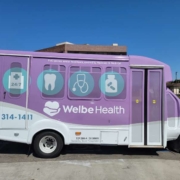
For seniors who no longer drive, transportation can be a hassle and a burden for families. PACE provides transportation from your home to the day center and to medical appointments. Rides are wheelchair accessible and comfortable. In addition to taking you from place to place, the highly trained drivers deliver medication and medical supplies to your home when needed.

Dental, Vision and Hearing

Hearing aids, eyeglasses, and dentures are not always covered by Medicare. Participants of PACE receive these medically necessary items at no cost. As a program participant, you’ll have access to a dentist, mental health specialist, ophthalmologist, and more.

If the PACE care team determines that you need to see a specialist to treat a complex medical condition, they will coordinate the visit. Treatment for COPD, dementia, kidney disease, diabetes, and heart disease are all accessible through the program’s network of specialty physicians. And all the transportation is coordinated for you!

FYI: The average PACE participant has 6 chronic conditions. The PACE team is experienced in caring for seniors who have multiple diagnoses.

Social Engagement

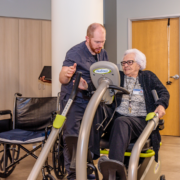
Science has proven that social interaction does wonders for our mental and physical health. That’s why PACE has a team of activity specialists who coordinates social activities. Whether it’s board games at the day center, themed meals, or group exercises, there is always plenty going on at the PACE center.

In-Home Assistance

Upon enrollment, we will do a safety assessment in your home. We’ll look for trip hazards, like cluttered walkways and loose rugs. Next, we will make improvements to your home to make it safer, such as installing wheelchair ramps and grab bars if needed. Educating seniors and their caregivers is an important step in preventing falls.

If your PACE care team determines that it is medically necessary, you may also receive medical care in your home from registered nurses and certified nursing assistants. This may include incontinence care, injections and blood draws, as well as wound care.

Telemedicine

PACE participants gain access to telehealth services. You’ll be given a tablet that allows you to access your care team on-demand. Many participants enjoy the comfort of knowing someone is always available if an emergency should occur. Via telehealth, participants can check in with nurses, track their vitals and medications, and participate in virtual activities.

Medication Management

Over 20 percent of older adults report not taking medication as prescribed due to the high cost of their medication. Did you know cutting pills and skipping doses can actually worsen health conditions? When enrolled, your team of healthcare professionals will make sure you take the right medication at the right time each day, which keeps you healthy and living independently.

Additionally, PACE offers Medicare Part D prescription drug coverage. Once you become a program participant, you’ll get your Part D-covered drugs and all other necessary medication from PACE.

Will I have to change my doctor?

Upon enrolling in the program, you’ll begin seeing a doctor at the PACE center. All your healthcare services will be provided by PACE. The doctors and medical staff are highly experienced in caring for seniors with complex medical conditions, so you can trust you’re in good hands.

What are the benefits of PACE?

Interdisciplinary Team

Many parts work together to keep a car running well. Likewise, you need many healthcare providers working together to keep you living well. The PACE interdisciplinary team (IDT) is made up of senior healthcare experts whose top priority is providing you with personalized, coordinated care. They work together, meeting regularly to make sure your needs are met.

The PACE care team consists of:

  • Primary care physician
  • Nurses
  • Physical and occupational therapists
  • Dietitian
  • Social worker
  • Recreational therapist
  • Home care coordinator
  • Transportation professional

Caregiver Support

Because the interdisciplinary team handles all the complicated details of your care, family members and caregivers are relieved from many stressors. Transportation, refilling medications, and coordinating appointments are all done by PACE, significantly reducing caregiver burden. Caregiver training, support groups, and respite care also keep family members supported and educated.

Fast Fact: 97.5 percent of family caregivers would recommend PACE to someone in a similar situation.

What are the PACE eligibility requirements?

Prospective participants must meet the following criteria to be eligible for the PACE program:

  • 55+ years of age
  • Live in the designated service area
  • You are certified by the state as meeting the need for nursing home level of care
  • You can safely live in the community when you join

How much does PACE cost?

What you pay depends on your financial situation.

If you are: Cost (out-of-pocket):
Eligible for Medicaid No cost
Eligible for Medicare and Medicaid No cost
Eligible for Medicare only Pay Medicaid portion, plus monthly premium for Medicare Part D
Not eligible for Medicaid or Medicare Self-pay rate
  • 90 percent are dually eligible for Medicaid and Medicare
  • 9 percent are eligible for Medicaid only
  • 1 percent pay a premium

PACE focuses on you and your care.

The goal of PACE is to provide vulnerable seniors in our communities with the care, medical treatment, and support they need to safely live in their homes for as long as possible. Seniors benefit from personalized, coordinated care, as do their caregivers. With many healthcare services and benefits to the program, it’s a good alternative for many seniors who want to safely age in their homes and community. To learn more, contact us today.


 

Aging at Home: How to Keep Your Loved One Safe

Families choose to keep their aging loved ones at home for various reasons. When we asked the adult children of our Welbe Participants, the most common reasons they give are the desire to care for mom the way she had cared for them and supporting their parent’s wishes.

Inevitably, as your loved one ages, they will need more assistance and care. Making adjustments to the home and enlisting the help of in-home senior care can allow your loved one to safely remain in their home for as long as possible and provide valuable support to you as a caregiver.


Creating a Safe Home for Seniors
Whether your loved one is living with you or wants to stay in their own home, creating a safe and comfortable space for your loved one is essential to their physical well-being. When it comes to home safety for seniors, being proactive can make all the difference. Even if your loved one doesn’t need assistance now, planning ahead can prevent injuries and give you peace of mind.


Prevent Falls
According to the National Institute on Aging, sixty percent of falls happen at home. A fall can be a setback to your aging loved and possibly result in an unwanted hospital stay. Here are some modifications to consider to prevent falls in the home.

• Install grab bars in the bathroom for stability getting in out of the shower

• Make sure rooms are well lit and promptly replace any burned out bulbs

• Install railing near any indoor or outdoor stairs

• Remove tripping hazards such as rugs, mats, and or pet toys

• Consider installing a walk-in tub or curbless shower

• Stairlifts may be necessary for seniors with decreased mobility who live in a multi-level home


Utilize Technology
Technology has evolved at a rapid pace in the last two decades. Seniors and their caregivers can benefit from new, innovative devices and gadgets that can keep elders living safely at home. Some benefits include caregiver notifications, health monitoring, and assistance in emergencies.

• A medical alert system can connect wearers to emergency help and alert caregivers with the push of a button, and even detect falls

• A home security system may be ideal for seniors living on their own and want extra protection from intruders

• Smart speakers can be used for medication and appointment reminders


Get Help with Caregiving
Caring for an aging loved in the home is a noble and selfless act. But, taking on this role alone can be unsafe for your loved one and have a negative impact on your health. According to a study done by AARP and the National Alliance for Caregiving, 23 percent of caregiving Americans say their health has suffered due to the stress of caregiving. Plus, when caregivers are under constant stress, they can become forgetful, angry, or depressed, which isn’t beneficial to the aging relative they’re caring for. Enlisting professional caregiving help can be a gift to yourself and keep your loved one safe.

WelBeHealth provides support to caregivers and their aging loved ones through the PACE model of care. PACE (Program of All-Inclusive Care for the Elderly) provides respite care, coordinates medical appointments, manages medications, and much more. Many caregivers have found the support offered by WelBeHealth to positively impact their mental and physical health, with 97 percent reporting they would recommend PACE.

Safely aging at home can be achieved when seniors and their caregivers take proactive steps to create ideal living environments. Caregivers, such as adult children and spouses, can also keep homes safe by utilizing professional caregiving assistance such as WelBeHealth, a PACE provider.  Learn more about WelBeHealth.

PACE Shines a Light During Pandemic

During the COVID-19 pandemic, the PACE (Program of All inclusive Care for the Elderly) model of care stood out not only in terms of safety and cost, but importantly, in terms of quality of life.  Loretta McNamara, a WelbeHealth participant, tells her story of how PACE shined a light in her life during COVID in a recent interview with the Sacramento Bee.

Common sense and growing research demonstrate that seniors are happier when they feel rooted in their own home and community.  Living at home affords more control over one’s life, imbuing a sense of meaning.  Loretta felt like she had lost control and was trapped under mandatory lockdown at her nursing home during COVID.  Fortunately, her social worker helped her find WelbeHealth.  Now she can live more independently at home with the support of a caring team and her costs are covered by Medicare and MediCal.  “I feel freer,” McNamara says.

Quality of life does not stop with the PACE participant.  During COVID-19, the pressures on adult children and other family caregivers was especially high.  PACE gave the help these family caregivers needed so they could get by under unprecedented circumstances.  In addition to medical care, PACE coordinates appointments, provides transportation, and offers extra support around mental health, nutrition and medication management.  For example, WelbeHealth deployed tablets for telehealth during COVID-19, ensuring access to many services including mental health support while keeping participants and their family caregivers safe as possible.



Wildfire Safety Tips for Seniors

The California wildfires have resulted in some of the worst air quality in the nation.  Seniors can be extremely affected, especially participants in our PACE programs so we’ve created some tips for all seniors:
  1. Remain indoors when at all possible.  Keep windows closed to decrease exposure to smoke.
  2. If you MUST go out wear a mask and limit time outside.
  3. Any worsening cough, congestion or wheezing, please call your PACE center right away.
  4. If you need refills on your respiratory medications including inhalers please call and we are happy to refill if appropriate.

To find out more about PACE services we provide, please click here.

Free photo 1024746 © Frank Farrell – Dreamstime.com

Vision Exam Month

August is National Vision Exam Month.  Healthy vision is important for people of all ages and is key for seniors to be able to live more independent lives in their homes and communities.  Here are some tips from the CDC on how to keep your eyes healthy.

Try 6 Tips for Healthy Eyes—and a Healthy You

  1. Add more movement to your day. Physical activity can lower your risk for health conditions that can affect your vision, like type 2 diabetes and high blood pressure. As a bonus, it can help you feel your best. Pick activities you enjoy and remember, anything that gets your heart beating faster counts!
  2. Get your family talking… about eye health history. Some eye diseases—like glaucoma and age-related macular degeneration—can run in families. Although it may not be the most exciting topic of conversation, talking about your family health history can help everyone stay healthy. Ask your relatives if they know about any eye problems in your family. Be sure to share what you learn with your eye doctor to see if you need to take steps to lower your risk.
  3. Step up your healthy eating game. Eating healthy foods helps prevent health conditions—like type 2 diabetes or high blood pressure—that can put you at risk for eye problems. Eat dark, leafy greens like spinach, kale, and collard greens that are high in antioxidants called lutein and zeaxanthin, which help prevent macular degeneration and cataracts. Also pick up some fish high in omega-3 fatty acids like halibut, salmon, and tuna.
  4. Stay on top of long-term health conditions—like diabetes and high blood pressure. Diabetes and high blood pressure can increase your risk for some eye diseases, like glaucoma. If you have diabetes or high blood pressure, ask your doctor about steps you can take to manage your condition and lower your risk of vision loss.
  5. If you smoke, make a quit plan. Quitting smoking is good for almost every part of your body, including your eyes! That’s right—kicking the habit will help lower your risk for eye diseases like macular degeneration and cataracts. Quitting smoking is hard, but it’s possible—and a quit plan can help. Call 1-800-QUIT-NOW (1-800-784-8669) for free support.
  6. Give your eyes a rest. Looking at a computer for a long time can tire out your eyes. Follow the 20-20-20 rule—rest your eyes by taking a break every 20 minutes to look at something about 20 feet away for 20 seconds.

Regular vision exams are part of the comprehensive services provided by PACE.  For more about PACE services, click here.

Free photo 5904867 © Nedim Jukić – Dreamstime.com

Tips to Stay Safe During Heatwaves

We are getting well into the summer months which means, hotter temperatures.  We’ve already seen a couple of heat waves come through California summer is officially only a few weeks old!  In addition to the heat, power outages can occur during these high-temperature periods.

Please take measures to stay cool and remain hydrated. Getting too hot can make you sick. You can become ill from the heat if your body can’t compensate for it and properly cool you off. As we age our bodies cannot handle the heat like they did when we were young.  Extreme heat can affect us in the following ways: The main things affecting your body’s ability to cool itself during extremely hot weather are:

  • High humidity. When the humidity is high, sweat won’t evaporate as quickly. This keeps your body from releasing heat as fast as it may need to. High humidity can cause you to sweat excessively which can lead to dehydration.  When your sweat does not evaporate quickly it can lead to feeling overly tired.
  • Personal factors. Age, obesity, fever, dehydration, heart disease, mental illness, poor circulation, sunburn, and prescription drug and alcohol use all can play a role in whether a person can cool off enough in very hot weather. Other factors that can play a role in adverse effects of heat would include fever, medical conditions, poor circulation, certain prescription drug and use of alcohol.
  • Muscle cramping may be an early sign of heat-related illness.

You are potentially at the highest risk for heat-related illness during these heatwaves. When it becomes hot outside, ask yourself these questions:

  • Are you drinking enough water?
  • Do you have access to air conditioning?
  • Do you need help keeping cool?

You can take the following protective actions to prevent illness or death:

  • Stay in air-conditioned buildings as much as you can. Air-conditioning is the number one way to protect yourself against heat-related illness or complications.
  • Drink more water than usual and don’t wait until you’re thirsty to drink.
  • Check on a friend or neighbor and have someone do the same for you.
  • Try not to use the stove or oven to cook—it will make you and your house hotter.
  • Try cool showers or baths to help you cool down.

Try to avoid going out in the hot sun, but If you need to go outside during hot weather:

  • Limit your outdoor activity, especially when the sun is hottest.
  • Wear and reapply sunscreen as indicated on the package.
  • Pace your activity, start activities slow and pick up the pace gradually.
  • Drink more water than usual and don’t wait until you’re thirsty.
  • Wear loose, lightweight, light-colored clothing.
  • Be careful in the sun to avoid sunburn. If you can see through your clothing you can get sunburned through them.

For additional tips from the CDC on keeping cool, click here.

To learn more about the services provided by our PACE program, click here.

Benefits of Pets for Seniors

June 26th is Take Your Dog to Work Day!  Per the CDC, there are many health benefits of owning a dog or pet, including helping seniors live more independent lives in their homes and communities. They can increase opportunities to exercise, get outside, and socialize. Regular walking or playing with pets can decrease blood pressure, cholesterol levels, and triglyceride levels. Pets can help manage loneliness and depression by giving us companionship. Most households in the United States have at least one pet.

Studies have shown that the bond between people and their pets can increase fitness, lower stress, and bring happiness to their owners. Some of the health benefits of having a pet include:

  • Decreased blood pressure
  • Decreased cholesterol levels
  • Decreased triglyceride levels
  • Decreased feelings of loneliness
  • Increased opportunities for exercise and outdoor activities
  • Increased opportunities for socialization

WelbeHealth recognizes these benefits, which is why it was important to us to rescue our participant’s dog last year.  Click here for the story and link to video.

To learn more about PACE and the services that we provide, click here.

Heat stress in older adults

Safety is key for seniors to live more independent lives in their homes and communities.  To help seniors stay safe during periods of high heat, here’s an article by the CDC regarding heat and older adults.

People aged 65 years or older are more prone to heat-related health problems. If you’re an older adult or a caretaker, review this page for information on how you or the person you’re caring for can stay safe during the heat.

Why are older adults more prone to heat stress?

  • Older adults do not adjust as well as young people to sudden changes in temperature.
  • They are more likely to have a chronic medical condition that changes normal body responses to heat.
  • They are more likely to take prescription medicines that affect the body’s ability to control its temperature or sweat.

Stay cool, stay hydrated

  • Stay in air-conditioned buildings as much as possible. If your home doesn’t have air conditioning, contact your local health department or locate an air-conditioned shelter in your area.
  • Do not rely on a fan as your main cooling source when it’s really hot outside.
  • Drink more water than usual and don’t wait until you’re thirsty to drink.
    • If your doctor limits the amount of fluids you drink or has you on water pills, ask them how much you should drink during hot weather.
  • Don’t use the stove or oven to cook—it will make you and your house hotter.
  • Wear loose, lightweight, light-colored clothing.
  • Take cool showers or baths to cool down.
  • Do not engage in very strenuous activities and get plenty of rest.
  • Check on a friend or neighbor and have someone do the same for you.
  • Follow additional tips on how to prevent heat-related illness.

Stay informed

  • Check the local news for health and safety updates.
  • Seek medical care immediately if you have, or someone you know has, symptoms of heat-related illness like muscle cramps, headaches, nausea or vomiting.

As always, participants of WelbeHealth PACE programs can contact their center to find resources to stay cool during periods of extreme heat.  For more on the services our PACE program provides, click here.

 

HVAC Maintenance for Seniors

With the summer season in full swing, its important your air conditioner is in top form.  This is doubly important for the seniors that we serve, as summer typically bring with it increased cases of heatstroke.  Have your HVAC inspected and tuned by a certified technician.

What your tune-up should include

A technician should do the following during an A/C tune-up:

  • Inspect the entire system
  • Clean all coils
  • Clean and drain the condensate line
  • Lubricate moving mechanical parts
  • Replace the air filter
  • Check thermostat controls and system wiring
  • Inspect ductwork
  • Check fluid and pressure levels

The CDC also lists other reasons why maintaining your HVAC systems are important.  WelbeHealth wants to stress that an important part of living independently at home and in your communities includes doing so safely during the warmer months.  If you are having trouble keeping cool, contact us and we can help you find the resources available to you.

To learn more about the services PACE offers, click here.

National Nurse’s Month Profile – Cheryl Coleman

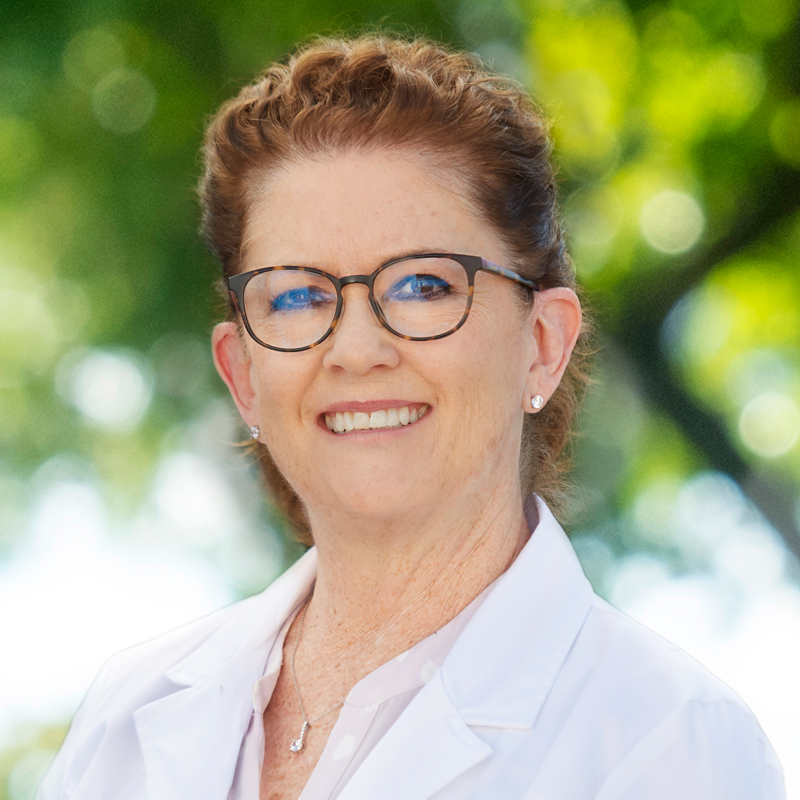
Cheryl Coleman works for WelbeHealth corporate as the nurse educator for all our centers, training our nurses with the skills needed to help our seniors live more independent lives in their homes and communities.  Her current role aligns with what she wanted to be when she grew up – a teacher.  She also wanted to explore life in other countries and her path to becoming a nurse was influenced by this desire.  “I sold medical supplies and wanted to live outside of the USA, “she stated.  “My nurse customers all told me to become a nurse so that I would be marketable in other countries.” After becoming a nurse, she rose through the ranks to manage a team.  “I managed a team of 15 nurses in the West Region who taught patients how to give themselves injections at home.”


Cheryl’s desire to serve and teach is what drives her. “Helping people inside and outside of the medical center is my biggest motivator. I also love to learn new things and share what I learn with others.”

Determination is the key attribute to the advice she would to her younger self.  “You can be whatever you want to be, so never let anyone tell you differently.  Always strive to do what you love and be your best.  Therefore you will always go home feeling fulfilled.”

To learn more about the PACE services that Cheryl and other care team members compassionately provide our participants, click here.

H6317_WBHWebLocation_166_SanJose_CMS Approved 01/05/2024, H8082_WBHWebLocation_166_Modesto Approved 5/14/2024, H1917_WBHWebLocation_166_RIVCVY Approved 5/14/2024, H1544_WebCAR CMS Approved 12/17/2024, H0934_WebLdgPgPT CMS Approved 12/17/2024, H1544_WebLdgPgPT CMS Approved 12/17/2024, H1917_WebLdgPgPT CMS Approved 12/17/2024, H2384_WebLdgPgPT CMS Approved 12/17/2024, H6317_WebLdgPgPT CMS Approved 12/17/2024, H8082_WebLdgPgPT CMS Approved 12/17/2024, H1917_CVYWelcome_CMS Approved 09/30/2024, H8082_StkMod_CMS Approved 09/30/2024, H1544_WebCAR CMS Approved 12/17/2024 H0934_WebLdgPg_CMS Approved 10/18/2024, H1544_WebLdgPg_CMS Approved 10/18/2024, H1917_WebLdgPg_CMS Approved 10/08/2024, H2384_WebLdgPg_CMS Approved 10/18/2024, H6317_WebLdgPg_CMS Approved 10/18/2024, H8082_WebLdgPg_CMS Approved 10/18/2024, H1219_PACEGuide_SP CMS Approved 05/14/2024, H1219_PACEGuide_CH CMS Approved 05/14/2024, H8082_WebLocPgMOD_CMS Approved 4/22/2025, H8082_WebLocPgEG_CMS Approved 4/21/2025, H1219_WebLocPgSBN_CMS Approval 7/11/25 , H2384_WebLocPgFresno_CMS Approved 08/14/25, H8082_WebLocPgStockton_CMS Approval Pending XX/XX/XXXX